SBA Is 40 Percent of KJSEA 2026: What Parents Must Check Before October
The written papers are only 60 percent of KJSEA. The other 40 percent was assessed months ago, and a score that was never uploaded is invisible until results day.
The written papers are only 60 percent of KJSEA. The other 40 percent was assessed months ago, and a score that was never uploaded is invisible until results day.
Assessors check agreement, not effort. The six records that get asked for, what each must contain in Term 3 2026, the contradictions that get flagged, and the fifteen-minute Friday routine.

Education News reports that reviving Early Assessment and Review Centres (EARCs) could reshape how learners with special needs are assessed and placed under the CBC curriculum.

A portfolio is not a folder of everything; it is selected evidence, labelled and dated. What belongs, what does not, and the termly routine that keeps it painless.

An exam is an instrument, and instruments are designed. The blueprint method: sample the strands deliberately, mix the demand levels, and write the marking scheme first.

A marking scheme that only lists right answers wastes the most valuable data a teacher collects all term. Here is what the useful version contains, and what to do with it after the scripts are marked.

Most families revise Grade 9 and hope for the best. But KJSEA draws on three years, and the Grade 8 material is where the quiet gaps usually sit.

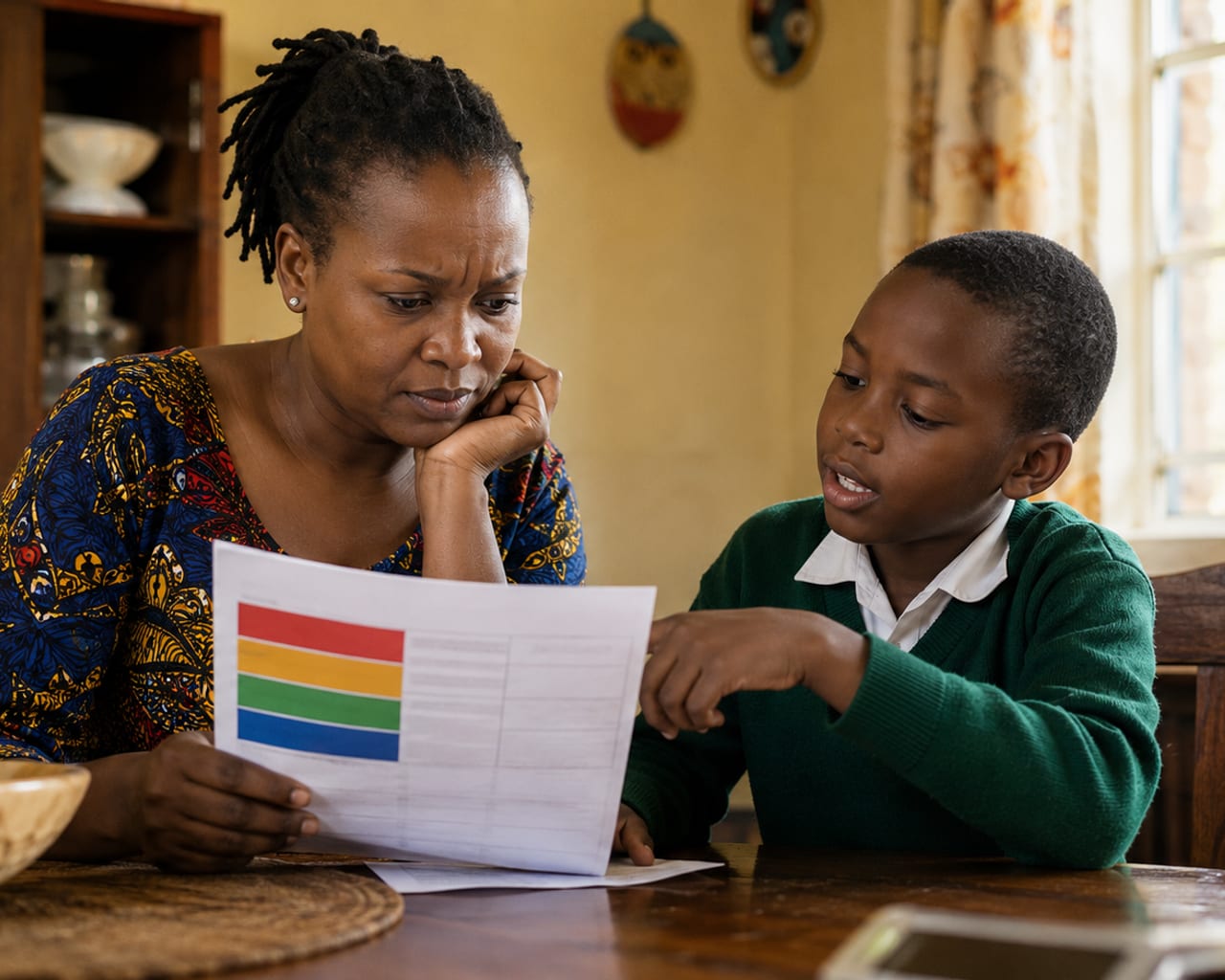
A CBC report card does not give a mark out of a hundred. It gives a level. Here is what each of the four levels means, how a teacher arrives at it, and what a parent should actually do next.

KJSEA is not only a Grade 9 event. The 40% school-based assessment component builds from Grade 7, so Term 3 exams and projects already carry real weight.