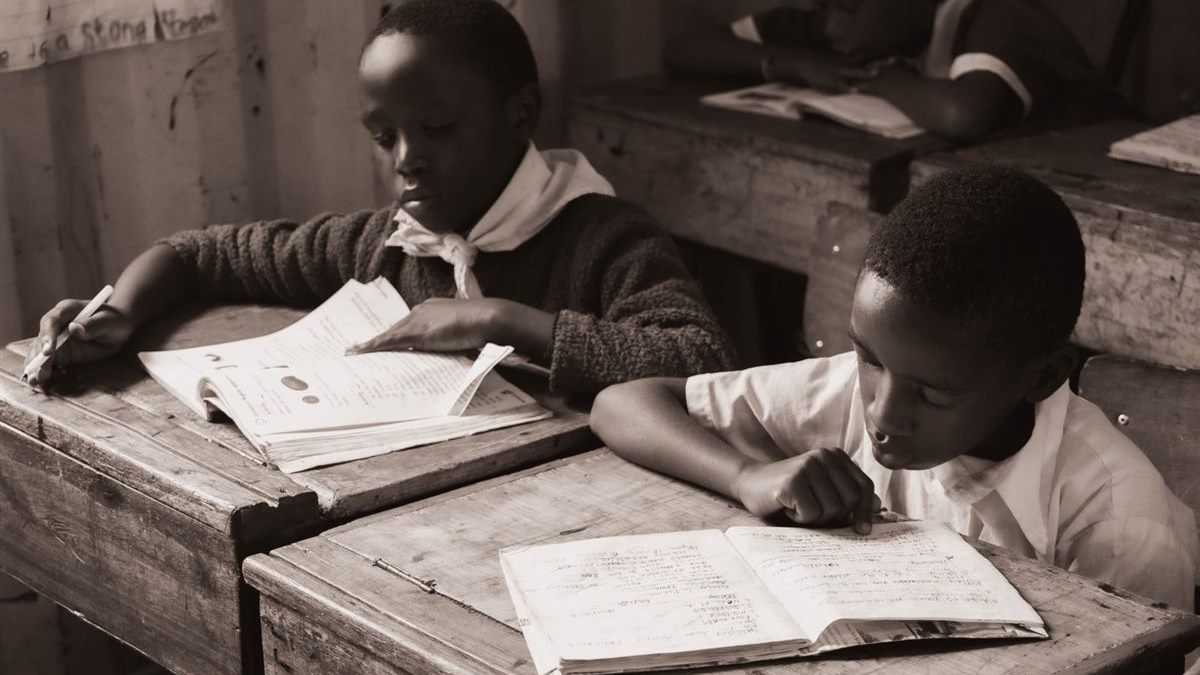
According to Education News, the Kenya National Examinations Council (KNEC) has set the assessment window for Kenya Institute of Special Education (KISE) diploma students for February and March 2027. The announcement confirms the period during which candidates can sit for their national examinations, but does not provide additional specifics such as exact dates, registration deadlines or the number of sitting opportunities.
What the announcement says
At this stage, the reports do not yet make clear how the timetable will align with the current academic calendar, what accommodations might be offered, or whether any changes to the examination format are planned. Parents and teachers are therefore advised to stay alert for further communications from KNEC and their respective schools, as more detailed guidance is expected in the coming months.
While the February-March window is now confirmed, the lack of further detail means families should treat this information as a provisional guide. Schools will likely issue supplementary notices regarding registration procedures, centre allocations and any required documentation, so maintaining regular contact with school administrators will help avoid last-minute surprises.
Why the timing matters for families
The February-March window falls close to the end of the current term and the school holidays, a period when many households experience a shift in daily routines. Understanding this timing helps parents anticipate when their children will need to transition from regular classroom work to focused exam preparation, allowing them to adjust household responsibilities, allocate quiet study spaces and discuss realistic expectations with their learners.
Financial considerations also come into play, as families may need to budget for registration fees, study materials and possible transport to examination centres. By noting the assessment period early, parents can spread costs over several months, explore discount options offered by textbook suppliers and seek assistance programmes that some schools or NGOs provide for disadvantaged learners.
Implications for teachers and schools
For teachers, the announced window signals the need to align the remaining curriculum delivery with the upcoming assessment schedule. They may need to accelerate coverage of certain sub-strands, integrate revision activities into regular lessons and design formative assessments that mirror the format of the KISE diploma exams. This forward planning helps ensure that learners retain key concepts while still meeting the broader goals of the CBC programme.
School administrators will also have to coordinate logistics such as invigilation rosters, secure storage of examination papers and communication with parents about registration procedures. Early awareness of the February-March period gives them the opportunity to liaise with KNEC for any required accreditation, arrange transport for students living far from testing centres and update school calendars so that holidays and extracurricular events do not clash with critical study blocks.
Keeping learners engaged during the interim
Even before the official revision period begins, parents can reinforce learning by focusing on the CBC strands and sub-strands that form the backbone of the KISE diploma. Simple activities such as real-world problem solving in mathematics, reading comprehension exercises in English, and hands-on science investigations can keep skills sharp. Encouraging learners to keep a learning journal where they record key ideas, questions and reflections supports metacognitive development and prepares them for the analytical demands of the exam.
Digital platforms and free resources from the Ministry of Education can supplement home study. Websites with past papers, interactive quizzes and video explanations let learners practise at their own pace. Parents should ensure any online material matches the current CBC curriculum and combine these tools with printed workbooks from local bookshops or the CBCEduKenya shop. Short, regular study sessions are more effective than marathon cramming.
Practical steps parents can take now
A practical first step is to create a realistic study timetable that balances schoolwork, household duties and leisure. Allocate specific time slots for each CBC subject, prioritising strands where the learner feels less confident. Use the timetable to set short-term goals, such as mastering a particular sub-strand in science or completing a set of mathematics problem-solving exercises each week.
Parents can also access revision packs and practice tests on the CBCEduKenya portal. For example, the Grade 9 materials and Grade 8 resources contain worksheets that align with the KISE syllabus and can be adapted for older learners. Finally, maintain open communication with teachers, attend any parent-teacher meetings about the upcoming assessments and encourage a positive attitude toward learning.
KJSEA and KPSEA: 2 days to the first paper
The Grade 9 KJSEA course covers all 9 learning areas for KSH 400. The Grade 6 KPSEA course covers all 5 subjects for KSH 300. Notes, worked examples, topical questions and full marking schemes in both.
⏳ Only 2 days to the national assessments on 26 October. Start now.
KSH 300 or KSH 400 · Get it now → 📱 M-Pesa, sent to your email after payment · join parents preparing nowHave a CBC question this article didn't answer?
Ask Somo, Kenya's first AI tutor. CBC-grounded, Kenyan examples, instant feedback. Five free questions a day with no signup, or start a 7-day free trial for 30 questions a day.
Try Somo Free →