
African Folk Tales:
Sungura na Fisi
Classic Kenyan stories of the clever Hare and the greedy Hyena. Read free, learn values, and build reading skills.
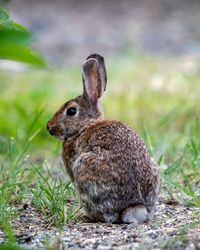
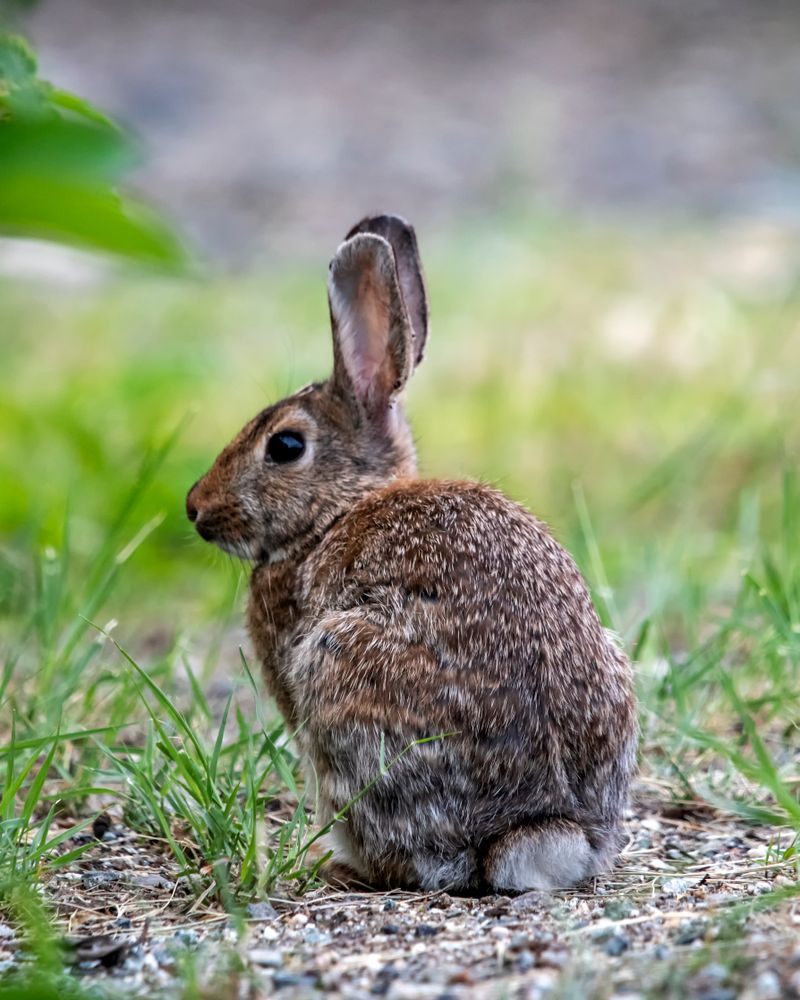
Sungura — The Hare
Small in size but sharp in mind. Sungura uses wit, tricks, and clever words to outsmart animals ten times his size. He is the trickster hero of East African folklore.
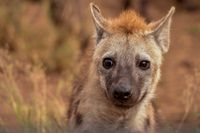
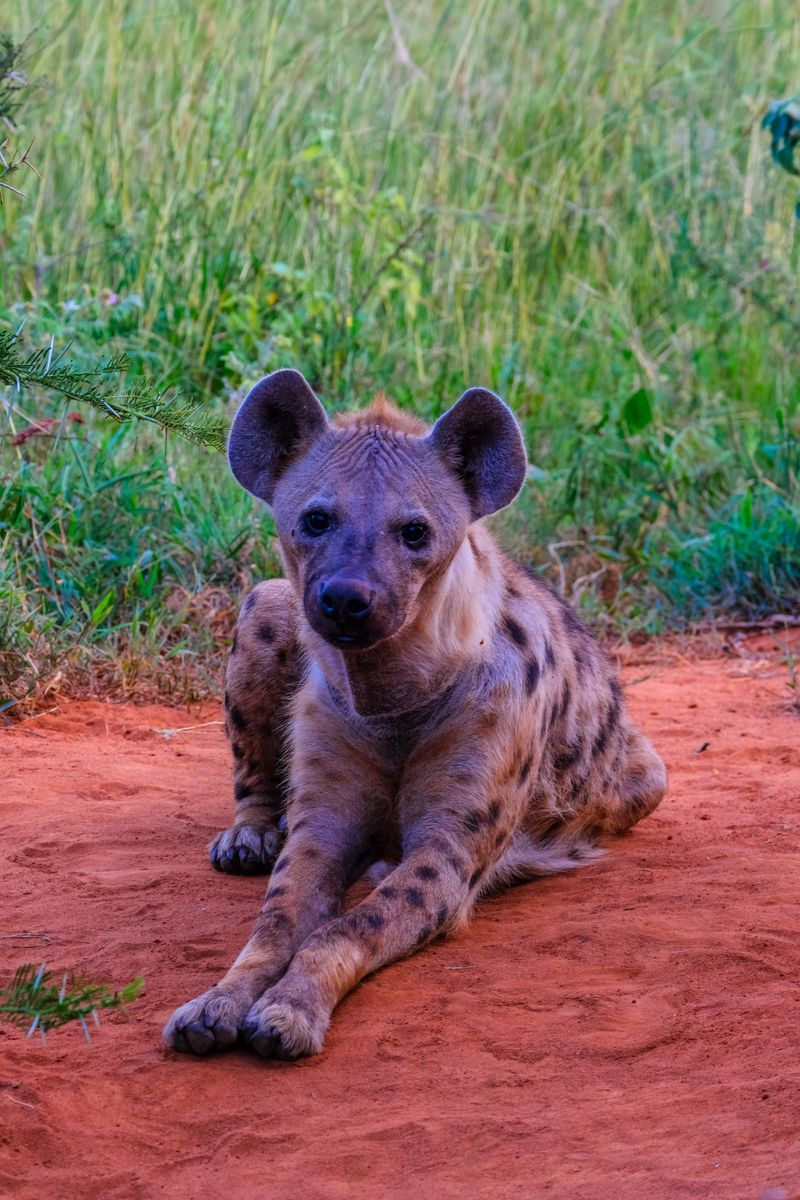
Fisi — The Hyena
Strong jaws, loud laugh, but not much upstairs. Fisi is greedy, gullible, and always hungry. He falls for every trick because his stomach thinks faster than his brain.
How Hare Tricked Hyena at the Well
Long, long ago, when the sun was younger and the rivers still remembered the first rains, there was a terrible drought in the land. The grass turned brown. The rivers dried up. The animals gathered together to decide what to do.
"We must dig a well," said Elephant, who was the wisest. "If we all work together, we can reach the water deep underground."
All the animals agreed. Lion dug with his strong paws. Elephant pushed the earth aside with his trunk. Zebra kicked the loose soil away. Buffalo, Giraffe, Warthog — everyone helped.
Everyone except Hare.
Hare: "My back hurts, Bwana Elephant. I pulled a muscle yesterday while running from a snake. But don't worry — I will guard the well when it is finished."
The animals did not believe him, but they were too tired to argue. After three days and three nights of digging, cool, sweet water bubbled up from the ground. The animals drank and danced and celebrated.
That night, they placed Hyena to guard the well. "No one drinks without permission," said Elephant. "Especially not Hare."
But Hare was clever. He waited until the moon was high, then crept to the well carrying a calabash full of honey.
Hyena: "Honey? For me?"
Now, Hyena loved honey more than anything in the world. His mouth watered. His eyes grew wide. He forgot all about guarding the well.
"Just a taste," said Hare, holding out the calabash.
Hyena ate and ate. The honey was so sweet and so thick that soon his eyes grew heavy. He yawned once. He yawned twice. And then — snore, snore, snore — Hyena fell fast asleep right there beside the well.
Hare drank as much water as he wanted. He filled his calabash. He even washed his face. Then he crept away, laughing softly to himself.
In the morning, when the animals found Hyena sleeping and the water level lower, they were furious.
Hyena: "But... the honey... Sungura brought honey..."
Lion: "Sungura tricked you. And you let him."
From that day on, the animals learned two important lessons: never trust a sweet gift from someone who refuses to work, and never let greed make you forget your responsibilities.
And Hyena? He never lived it down. Even today, when Hyena laughs at night, some people say he is still embarrassed about the time Hare tricked him with a calabash of honey.
- Why did the animals decide to dig a well?
- What excuse did Hare give for not helping?
- What did Hare use to trick Hyena?
- Why did Hyena fall asleep?
- What two lessons did the animals learn?
Hyena and the Bone Tree
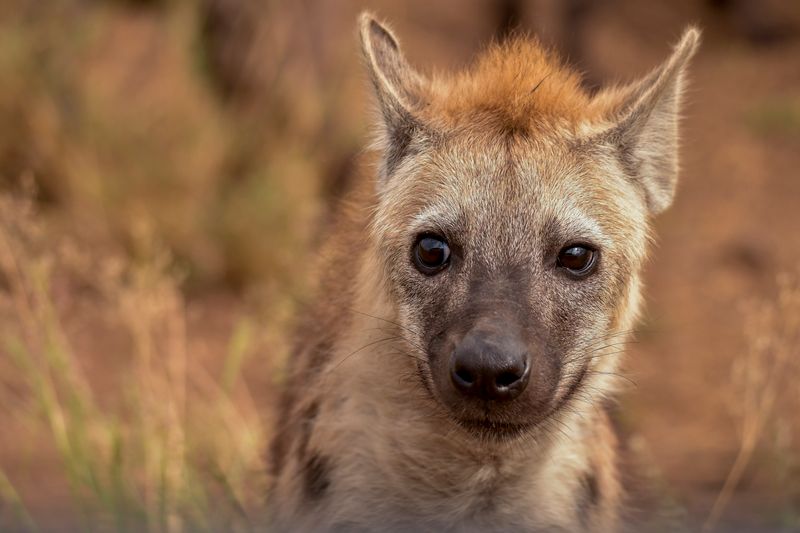
One morning, Hare woke up feeling mischievous. He found a tall, dry tree in the middle of the savanna and had an idea.
He collected bones from the bush — old bones that the vultures had left behind — and tied them to every branch of the tree with thin grass rope. When he was finished, the tree looked like it was growing bones instead of leaves.
Then Hare went looking for Hyena.
Hyena: "Bone Tree? What is a Bone Tree?"
Hare: "It is a magical tree that grows bones instead of fruit. Big, juicy bones full of marrow. I found it near the river bend, but I am too small to climb it."
Hyena's eyes grew as big as the moon. Bones were his favourite food. Bones full of marrow? He could already taste them.
"Take me there!" he shouted, already drooling.
Hare led Hyena to the tree. And there it was — bones hanging from every branch, swaying gently in the wind. Hyena did not stop to think. He did not stop to wonder. He climbed that tree faster than he had ever climbed anything in his life.
But the bones were old and dry. The grass rope was thin. And Hyena was very, very heavy.
CRACK!
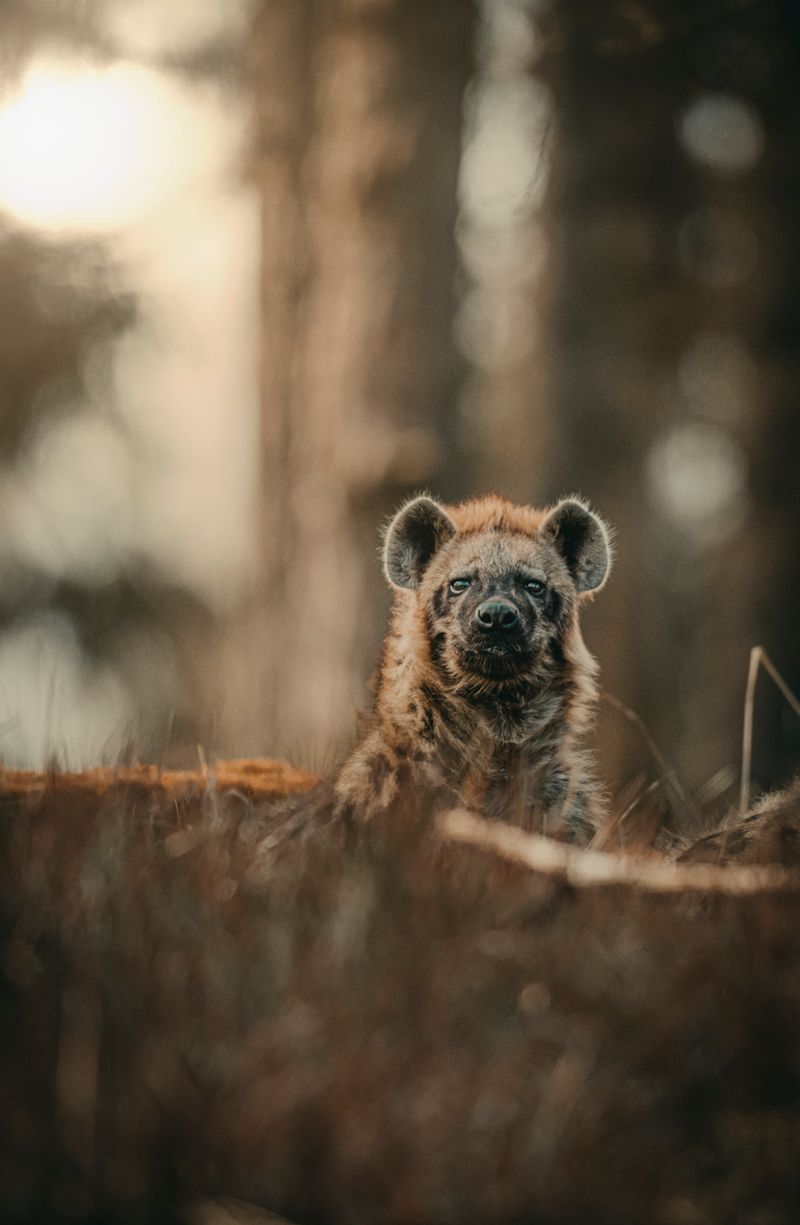
The branch broke. Hyena tumbled down, hit another branch, and — CRACK! CRACK! CRASH! — fell all the way to the ground in a cloud of dust and dry bones.
Hare was rolling on the ground, laughing so hard that tears ran down his cheeks.
Hare: "I did not trick you, Fisi. Your greed tricked you. Did you really think trees grow bones?"
Hyena limped away, covered in dust and bruises. And from that day on, whenever someone in the village believed something too good to be true, the elders would say: "Be careful — or you will end up like Fisi and the Bone Tree."
- What did Hare tie to the branches of the dry tree?
- Why did Hyena believe the story about the Bone Tree?
- What happened when Hyena climbed the tree?
- Who did Hare say really tricked Hyena?
- What do the elders say when someone believes something too good to be true?
Why Hyena Limps at Night
In the old days, Hyena walked straight and proud, just like Lion. His legs were strong and even. But that was before the night of the big feast.
It happened during the harvest season. The animals decided to celebrate with a great feast by the river. Every animal brought something to share. Elephant brought sugarcane. Monkey brought bananas. Tortoise brought groundnuts. Even little Ant brought a grain of millet.
Hyena brought nothing. "I forgot," he said, licking his lips as he looked at the food piled high on banana leaves.
Hyena: "But I brought nothing!"
Hare: "Then you eat nothing. Unless..."
Hyena: "Unless what?"
Hare: "Unless you win the dancing competition. The best dancer gets to eat as much as they want."
Now, Hyena was not a good dancer. But his stomach was speaking louder than his brain. He agreed.
The music started. Drums pounded — dum dum dum-dum-dum. Monkey danced first, swinging and spinning. Then Crane danced, lifting her long legs gracefully. The animals cheered.
Then it was Hyena's turn.
Hyena jumped high. He twisted left. He twisted right. He kicked and spun and stomped. He danced harder and faster than any animal had ever danced before.
But Hyena was so desperate to win that he danced too hard. He twisted too far. And — POP! — something in his back leg gave way.
"AAAAOW!" Hyena howled.
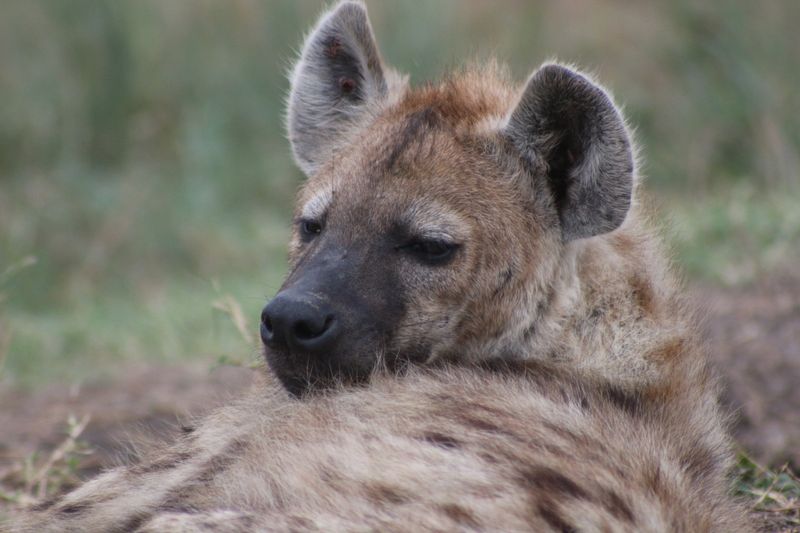
He fell to the ground, holding his left leg. The other animals rushed over, but it was too late. Hyena's back left leg was shorter than his right. It had twisted out of place and would never straighten again.
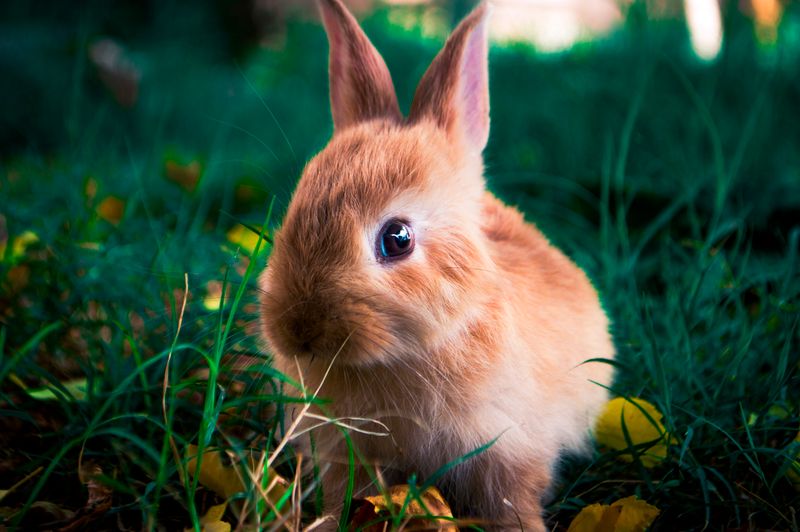
Hare looked at Hyena with pity — but also with a lesson.
From that day on, Hyena has walked with a limp — his back end lower than his front. And he wanders the savanna at night, looking for food that others have left behind, because he never learned to share.
Listen carefully the next time you hear Hyena's call in the darkness. That strange, laughing cry? Some say it is Hyena, still laughing at his own foolishness by the river that night.
- What did each animal bring to the feast?
- Why did Hyena agree to dance?
- What happened to Hyena while he was dancing?
- Why does Hyena walk with a limp according to this story?
- What would have happened if Hyena had brought food to share?
The Groundnut Farm
Hare and Hyena were neighbours. One planting season, Hare said to Hyena:
Hyena: "Good idea! But how do we share the harvest?"
Hare: "Simple. You take everything that grows above the ground. I will take everything that grows below the ground."
Hyena thought about this. Above the ground sounded like the better deal — that is where the leaves and stems were. Surely the bigger part of the plant was above the soil. He agreed.
They planted. They watered. They waited. And when the groundnuts were ready, Hare pulled them from the earth.
The groundnuts — fat, delicious, full of oil — all grew underground. Hare took them all.
Hyena was left with nothing but dry leaves and empty stems.
Hare: "I did not cheat you. I gave you a choice and you chose. Next season, you can take the bottom part."
Hyena was determined not to be tricked again. The next season, he insisted:
Hare smiled and agreed. But this time, Hare planted maize instead of groundnuts.
When the maize was ready, the cobs — heavy, golden, full of grain — all grew above the ground. Hare took them all.
Hyena was left with nothing but roots and dirt.
Hyena sat in his empty field, staring at the soil, and finally understood: Hare had outsmarted him twice because Hare knew what he was planting, and Hyena never bothered to ask.
- What did Hare and Hyena decide to plant together?
- Why did Hyena choose the "above ground" part?
- Where do groundnuts actually grow?
- What did Hare plant the second season, and why?
- What should Hyena have done differently?
Hare's Singing Contest
One dry season, food was scarce and tempers were short. Hyena had been stealing food from the other animals — a chicken here, a goat kid there. The animals were angry but afraid. Hyena was bigger and stronger than most of them.
Hare decided it was time to teach Hyena a lesson.
Hyena laughed his terrible, cackling laugh. "A singing contest? Against you, tiny Sungura? I will crush you! My voice is the loudest in the savanna!"
"Loud is not the same as beautiful," said Hare quietly. "But we shall see."
The contest was set for the next full moon. All the animals gathered in a circle by the great baobab tree. Owl was the judge.
Hyena went first. He opened his mouth wide and let out the loudest, most terrible howl anyone had ever heard:
"OOOOO-WA-HA-HA-HA-HAAAAA!"
The ground shook. Birds flew from the trees. Baby animals hid behind their mothers. It was loud, yes — but it was not a song. It was a noise.
Then Hare stepped forward. He had spent the whole week preparing. He sang a gentle, sweet song about the rain, the green grass, the cool rivers, and the kindness of sharing food with neighbours. His voice was small but clear, like a bird at dawn.
When he finished, there was silence. Then Elephant stamped his foot. Then Zebra stamped hers. Then all the animals were stamping and cheering.
Hyena had to give his food store to Hare, who immediately shared it with all the animals Hyena had stolen from.
That evening, as the animals ate together, old Tortoise said something the young ones never forgot:
- Why were the animals angry with Hyena?
- What was Hare's challenge to Hyena?
- How was Hyena's singing different from Hare's?
- Who was the judge, and who won?
- What did Hare do with the food he won?
- What lesson did Tortoise share?
How Tortoise Got His Cracked Shell
Long ago, Tortoise had the smoothest, most beautiful shell in the animal kingdom. It gleamed like polished wood after rain. Tortoise was very proud of it — perhaps too proud.
One day, the birds of the sky received an invitation to a great feast in the clouds. Eagle, Parrot, Weaver Bird, Crane — all were invited. Tortoise heard about it and his mouth watered.
Parrot: "We could each give you one feather. With enough feathers, you could fly!"
The kind birds each plucked one feather and gave it to Tortoise. He fashioned them into wings and — to everyone's amazement — he flew! Up, up, up into the clouds they went.
Before they arrived, clever Tortoise said: "In the sky kingdom, everyone takes a special name. My sky name is All-of-You."
The birds thought this was strange but agreed. When they reached the feast, the sky hosts laid out the most magnificent food anyone had ever seen. Roasted yams, palm wine, fried plantains, pounded fufu, and soups that smelled like heaven.
Tortoise: "You heard him! My name is All-of-You. This food is for ME!"
And Tortoise ate everything. Every last morsel. The birds watched in fury, their stomachs growling.
When the feast was over, each bird marched up to Tortoise and snatched back their feather. One by one, his wings disappeared. Tortoise was stranded in the sky with no way down.
But Parrot was furious. Instead, he told Tortoise's wife: "Your husband says to put out the hardest things you can find."
Tortoise's wife laid out stones, pots, hoes, and farming tools.
Tortoise closed his eyes, said a prayer, and jumped.
CRASH!
He landed on the stones and pots. His beautiful smooth shell shattered into dozens of pieces. The village medicine man glued the pieces back together, but the cracks remain to this day.
And that is why Tortoise has a cracked shell — a reminder that greed and trickery always catch up with you, no matter how clever you think you are.
- Why did Tortoise want to go to the sky feast?
- How did Tortoise get wings?
- What trick did Tortoise play with his name?
- Why did Parrot give the wrong message?
- Why does Tortoise have a cracked shell?
The Elephant and the Rain
There was once a terrible drought. The rivers dried up. The grass turned to dust. But deep in the forest, there was one spring that still had water — and Elephant decided it belonged to him.
Elephant stood by the spring day and night. Any animal who came to drink was turned away.
Elephant: "This is MY water. Find your own."
The animals were desperate. Lion was too proud to beg. Buffalo was too angry to think. But tiny Ant had an idea.
Ant crawled underground — deeper and deeper — until she found a hidden stream beneath the rocks. She came back up in the middle of the village and told everyone.
The animals dug. Warthog used his tusks. Mole used her claws. Even the birds helped carry away the loose soil. Within a day, sweet water bubbled up from the ground — enough for everyone.
Word spread across the savanna. Animals came from far away to drink. Everyone thanked Ant. Everyone shared. Everyone was happy.
Everyone except Elephant.
Elephant still sat by his spring, alone. No one visited. No one spoke to him. When the rains finally came and water was everywhere, the other animals had formed bonds of friendship that lasted for years. But Elephant had no friends at all.
- Why was there a drought?
- What did Elephant do with the spring?
- How did Ant find water?
- What happened when the animals dug together?
- Why was Elephant left alone?
Monkey's Stolen Bananas
Monkey was the fastest climber in the forest — and the biggest thief. Every night, he crept into someone's garden and stole their food. Goat's cabbages. Chicken's maize. Warthog's sweet potatoes. Nobody could catch him because he was too quick.
The animals held a meeting. They were angry and hungry.
Hare: "I have a plan. We make a figure out of sticky tree sap and place it in Warthog's garden tonight."
That night, the animals shaped the sap into a figure that looked like a small child sitting in the garden. They hid and waited.
Sure enough, Monkey came swinging through the trees. He saw the figure and froze.
The figure said nothing. Monkey slapped it with his right hand. STUCK. He slapped with his left hand. STUCK. He kicked with his right foot. STUCK. His left foot. STUCK. He headbutted it. Completely stuck.
In the morning, the animals found Monkey glued to the sap figure, crying.
Monkey spent the whole planting season working in everyone's garden. By harvest time, the gardens were fuller than ever. And Monkey? He had learned that growing food was harder than stealing it — and that the animals' trust, once lost, took many seasons to rebuild.
- What was Monkey stealing from the animals?
- What was Hare's plan to catch Monkey?
- Why did Monkey get stuck?
- What punishment did the animals choose?
- What did Monkey learn?
Why Giraffe Has a Long Neck
Long ago, Giraffe looked nothing like she does today. She had short legs, a short neck, and brown spots — just like the other antelopes. But Giraffe had one thing the others did not: curiosity.
Every morning, Giraffe would stretch her neck to see what was beyond the tall grass. Every evening, she would stand on her toes to peek over the thornbushes. The other animals laughed at her.
Giraffe: "I want to see what is coming. The world is bigger than what is right in front of us."
Buffalo: "Nothing is coming. Stop being so strange."
But Giraffe kept stretching. Day after day. Month after month. Year after year. Slowly — so slowly that nobody noticed — her neck grew longer. Her legs grew taller. She could see further than any animal on the savanna.
One dry afternoon, while the other animals rested in the shade, Giraffe lifted her head high above the acacia trees. Far, far away, she saw something terrifying — a wall of orange fire sweeping across the grasslands toward them.
The animals didn't believe her at first. They couldn't see anything. But Giraffe insisted, and something in her voice made them listen. They ran west — and not a moment too soon. The fire swept through the area where they had been resting, destroying everything.
After that day, no animal ever laughed at Giraffe again. Her long neck — the thing they had mocked — had saved every single one of them.
- What made Giraffe different from other antelopes?
- Why did the other animals laugh at her?
- How did Giraffe's neck grow long?
- What did Giraffe see from far away?
- How did the animals' attitude change?
The Crocodile's Promise
Crocodile was trapped. A hunter had dug a pit near the river and covered it with branches. Crocodile fell in and could not climb out. He lay there for two days, growing weaker.
On the third day, Hare came hopping by and heard Crocodile's cries.
Hare: "If I help you out, will you promise never to harm me or any animal who crosses the river?"
Crocodile: "I promise on my children's lives. A debt of life is sacred."
Hare found a strong vine and lowered it into the pit. Crocodile grabbed it with his powerful jaws and Hare pulled — and pulled — and pulled. Finally, Crocodile was free.
Years passed. The promise held. Animals crossed the river safely, and Crocodile honoured his word.
But one dry season, food became scarce. Crocodile had not eaten in weeks. He watched the animals crossing the river and his hunger spoke louder than his honour.
As Crocodile prepared to strike, his youngest child swam up beside him.
Crocodile: "I... I am hungry."
Young Crocodile: "But you made a promise. You told me that a promise is the strongest thing in the world — stronger than your jaws, stronger than hunger. Were you lying to us, Baba?"
Crocodile closed his mouth. He swam back to the deep water. His children had reminded him of who he had promised to be.
The next day, the rains came and the river swelled with fish. Crocodile ate well. And he never considered breaking his promise again — because his children were watching, and he wanted them to grow up knowing that a promise is a promise, even when it is hard.
- How did Crocodile get trapped?
- What promise did Crocodile make to Hare?
- Why did Crocodile consider breaking his promise?
- Who reminded Crocodile of his promise?
- What happened the next day?
Hare and the Talking Drum
Deep in the forest, Hare discovered something extraordinary — a drum carved from a baobab tree that could speak the truth. Whenever someone told a lie near the drum, it would beat itself and announce the truth for all to hear.
Hare carried the drum to the village chief.
The chief was delighted. He placed the drum at the centre of the hall where all village disputes were settled.
The next day, Elder Hyena came to claim that a piece of land belonged to him. As he spoke, the drum thundered: DUM-DUM-DUM! "This land belongs to Widow Gazelle! Elder Hyena moved the boundary stones last harvest!"
Elder Hyena turned red. The villagers gasped. Widow Gazelle wept with relief.
Then Elder Vulture came to explain why the village grain store was empty. The drum beat again: DUM-DUM-DUM! "Elder Vulture sold half the grain to traders and kept the money!"
One by one, the corrupt elders were exposed. They were furious. That night, they crept into the hall and tried to destroy the drum — they hit it with axes, threw it in the river, buried it in the ground.
But every morning, the drum appeared back in the meeting hall, unharmed. Truth, it seemed, could not be silenced.
Eventually, the corrupt elders left the village in shame. New, honest elders were chosen. And the talking drum sat in the meeting hall for many years, keeping the village honest — not because it punished liars, but because knowing it was there made people choose truth on their own.
- What was special about the drum?
- What lies did the drum expose?
- What did the elders try to do to the drum?
- What happened to the drum each morning?
- How did the drum change the village?
The Lion Who Could Not Roar
In the heart of the Maasai Mara, a lion cub was born who could not roar. When he opened his mouth, nothing came out — not a growl, not a rumble, not even a squeak. The other cubs called him Kimya, which means "Silent" in Kiswahili.
Young Lion 2: "Even the hyenas laugh louder than you!"
Kimya was hurt, but he did not give up. Instead of practising his roar, he practised something else — he practised being silent. He learned to move through the grass without making a sound. He learned to approach prey so quietly that they never heard him coming.
Years passed. Kimya grew into a strong, lean lion. While the other lions roared and charged at their prey — scaring the animals away before they could get close — Kimya hunted in perfect silence. He was the most successful hunter in the pride.
One terrible week, the loud lions scared away every herd within earshot. The pride had not eaten in five days. The cubs were crying. The elders were weak.
Kimya: (gesturing silently, pointing to the distant hills)
Kimya crept out alone. He moved like a shadow through the golden grass. The wildebeest never heard him. The zebras never sensed him. Within an hour, Kimya brought back enough food to feed the entire pride.
From that day, no one mocked Kimya's silence. The Pride Leader made him the chief hunter. And whenever a young cub was born different from the others, the pride would say: "Remember Kimya. Silence is not weakness. It is a different kind of strength."
- Why was the lion cub called Kimya?
- How did the other cubs treat him?
- What skill did Kimya develop instead of roaring?
- Why did the loud lions fail at hunting?
- How did the pride's attitude change?
Why the Owl Stays Awake at Night
In the old days, all birds slept at night and woke with the sun. The forest after dark was a dangerous place — snakes slithered unseen, leopards hunted in the shadows, and lost baby animals cried for their mothers with no one to help them.
One night, a tiny mouse was being chased by a snake through the dark forest. She cried for help, but every bird was asleep. The snake was getting closer and closer.
Then Owl heard the cry. She had always been a light sleeper — her big eyes and keen ears made the darkness less frightening to her than to other birds.
Owl swooped down and drove the snake away. The mouse was saved.
The next morning, Mouse told the other animals what had happened. The Animal Council called a meeting.
Parrot: "But who? We all need sleep."
Owl: "I will do it. My eyes can see in the dark. My ears can hear what others cannot. I will guard the forest at night while you all sleep."
The animals did not expect this. It was a sacrifice — Owl would miss the beautiful sunrises, the morning songs, the warm gatherings in the daylight. She would live in a world of shadows while everyone else enjoyed the sun.
Owl: "Leadership is not about being seen. It is about serving when no one is watching."
And so Owl became the guardian of the night. She watches over the forest while others sleep. She sees what others cannot see. She hears the cries that others miss.
That is why Owl has big eyes — to see through the darkness. And that is why Owl calls out at night — "Hoo! Hoo!" — she is telling the forest: "I am here. You are safe."
- Why was the forest dangerous at night?
- How did Owl save the mouse?
- What did Owl volunteer to do?
- What did Owl sacrifice by guarding at night?
- What did Owl say about leadership?
- Why does Owl call "Hoo! Hoo!" at night?
Want More African Stories?
We have reading comprehension packs, storybook collections, and setbook study guides for every grade — all aligned to CBC (now CBE).