Sleep, Food and Screens in Exam Term: What Actually Moves Marks
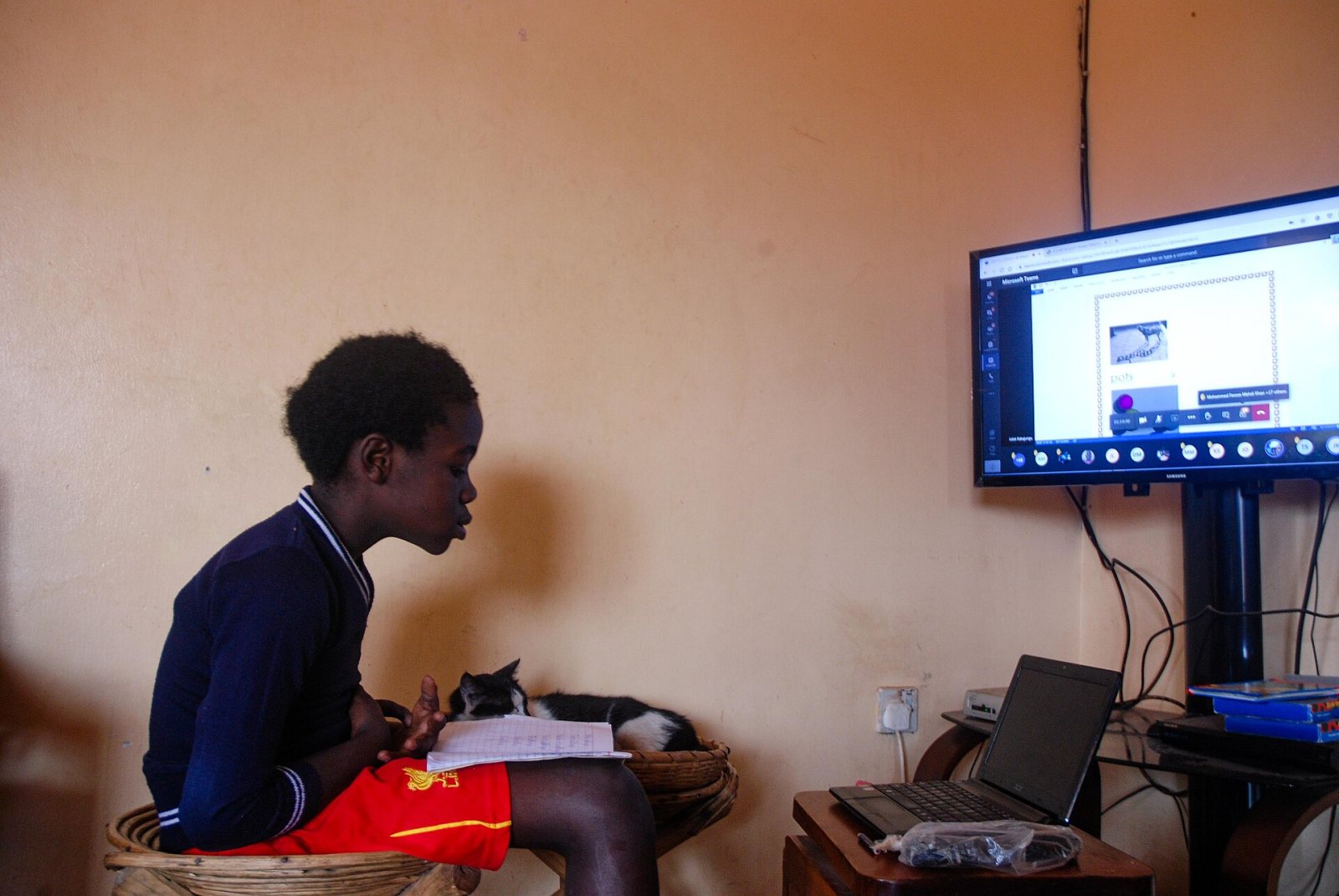
A learner who sleeps nine hours and revises for two beats one who sleeps six and revises for five. Here is why, what to feed a child on exam morning, and where to put the phone.
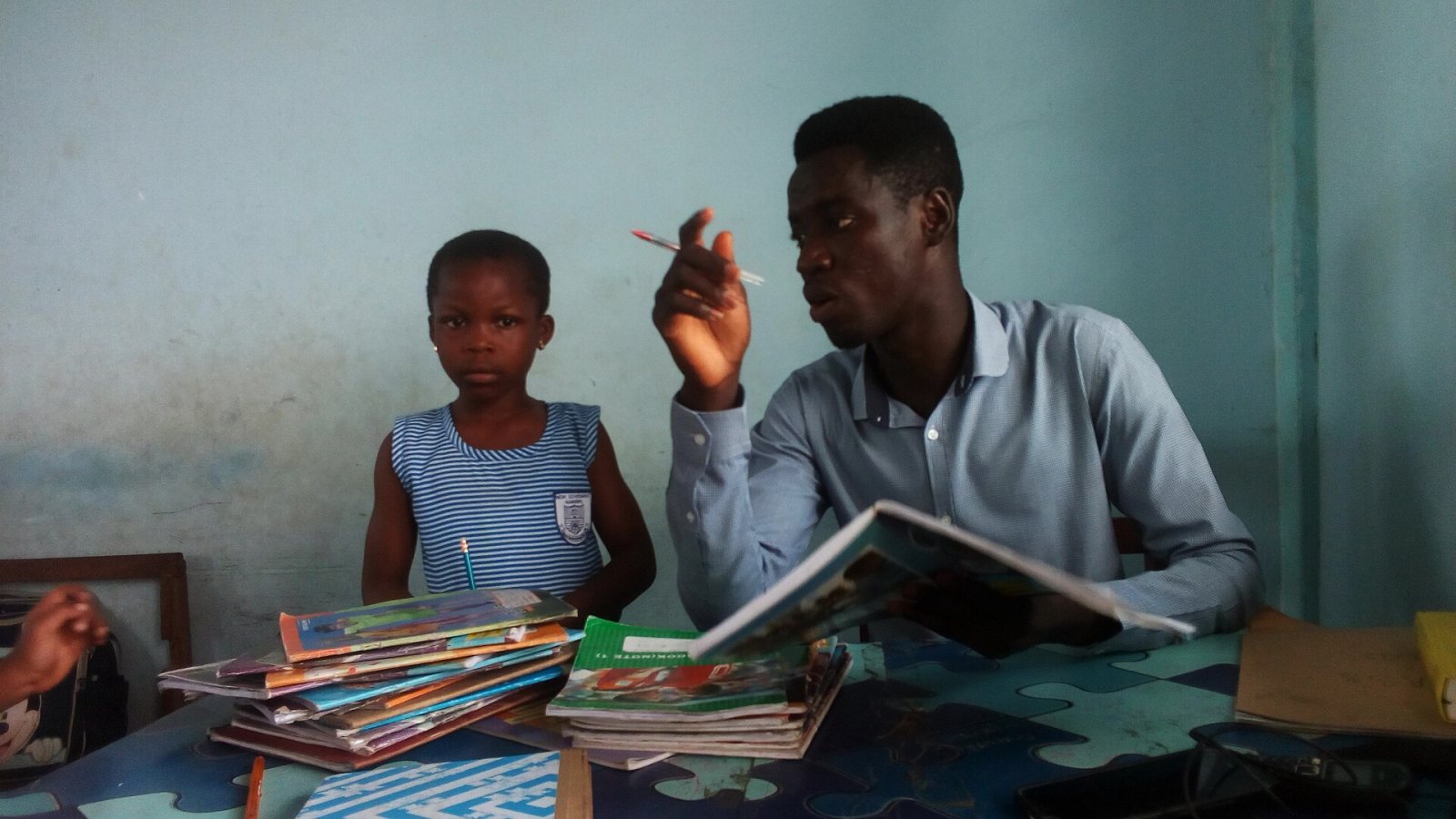
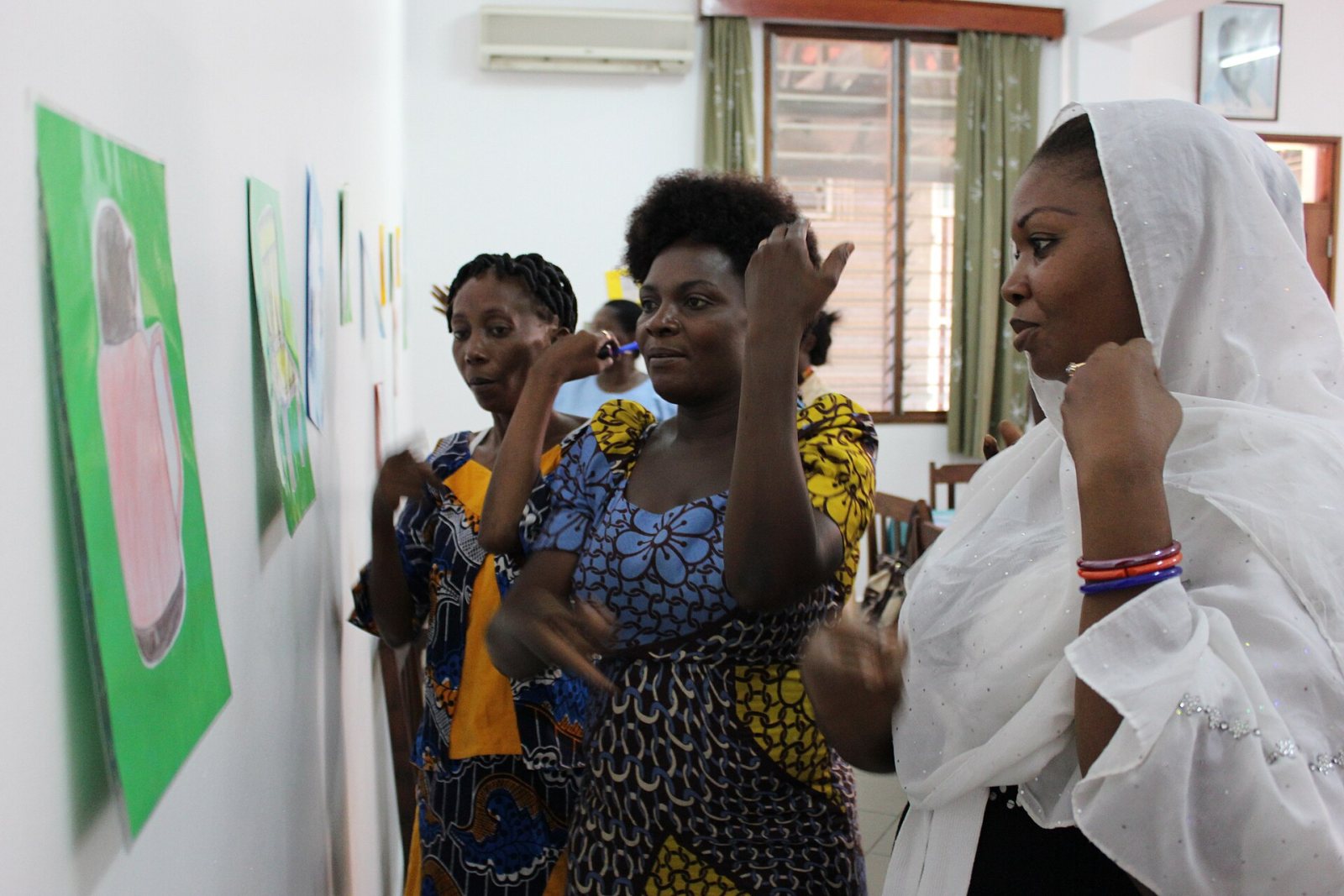
A learner who sleeps nine hours and revises for two beats one who sleeps six and revises for five. Here is why, what to feed a child on exam morning, and where to put the phone.

The signal is the gap between what a child can do aloud and what reaches the page. Here is what is normal at each grade, what is not, the two-minute test to run, and how to get to an EARC assessment.

The route runs through an Educational Assessment and Resource Centre. Here are the two CBE pathways, the KNEC accommodations available, the exact documents required, and why you must start a year early.

Roughly ten minutes per grade level, weighted to reading early and independent study later. Here is what homework is actually for, the line between helping and doing, and what to do when there is too much.

Education News reports that reviving Early Assessment and Review Centres (EARCs) could reshape how learners with special needs are assessed and placed under the CBC curriculum.

The Grade 7 step is organisational, not academic. Here is what the nine learning areas demand, why Term 3 exposes the gap, and the five-minute habit that recovers most of the lost marks.

Grade 5 has no milestone and a lot at stake. Here is what Term 3 covers, why fractions and percentages converge now, how SBA records accumulate, and the one habit that recovers the most marks.

Pre-primary has no exams and no marks, which leaves parents guessing. Here is what PP1 and PP2 are actually building, why early writing backfires, and twenty activities using what is already in your house.

Ten minutes you read, five minutes they read, three questions after. Here is the exact home reading routine for PP2 to Grade 3, including what to do when a word goes wrong.