
A practical guide for Kenyan parents of Grade 1, 2 and 3 learners. The early years are quieter than the exam grades, but they build the reading and number foundations that everything later depends on.
In a home with an older child sitting KPSEA or KJSEA, it is easy for the Grade 1, 2 or 3 child to be left to "just play." Play is exactly right at this age, but the lower primary years are also when two foundations are laid that decide how easy or hard school becomes later: the ability to read and a solid sense of number. A child who reads fluently and confidently by the end of Grade 3 finds every later subject easier, because reading is how they learn everything else. A child who understands numbers, rather than just reciting them, walks into upper primary Mathematics ready. The good news is that building these foundations at home needs no special training, no expense, and only a few minutes a day. This guide shows you how.
- Lower primary (Grades 1 to 3) is about building reading and number foundations, not exam preparation.
- Reading daily, even ten minutes, is the single most powerful thing a parent can do at this age.
- Number sense grows from counting and handling real objects, not from worksheets alone.
- Learning at this stage is active and hands-on: talking, playing, touching and doing.
- Praise effort and keep it short and joyful; a child who enjoys learning keeps learning.
Why the early years matter so much
Everything a child learns after Grade 3 is delivered through reading. A learner who still struggles to read in Grade 4 does not just struggle in English; they struggle in Science, Social Studies and every subject with a written question, because they cannot access the material. This is why the education world talks about learning to read up to Grade 3, and reading to learn from Grade 4. The same is true of number: a child who truly understands what numbers mean, that 7 is a quantity you can see and touch, handles later Mathematics far more easily than one who only memorised a counting rhyme. Investing a little attention now saves a great deal of struggle later, and it is far cheaper and calmer to build a foundation than to repair a gap under exam pressure years on.
What your child studies in lower primary
It helps to know the whole picture. According to the Kenya Institute of Curriculum Development (KICD), which designs the curriculum, lower primary (Grades 1 to 3) covers a set of learning areas built around language, mathematics, the environment, religious education and creative activities, together with an indigenous language. But at this stage these are not separate "subjects" to be studied in silos; they are woven together through activity and play. A counting game is mathematics; naming plants in the compound is environmental learning; a song is language and music at once. This is why the two foundations this guide focuses on, reading and number, matter so much: they run through everything else. Strengthen them, and every learning area becomes more accessible, because the child can read the material and reason about quantity. You do not need to teach each learning area formally at home; you need to build the two foundations and let daily life carry the rest.
Simple milestones to look for
Children develop at their own pace, so treat these as gentle guides, not deadlines. By the end of Grade 1, many children know letter sounds, blend them into simple words, and count and compare small numbers of objects. By the end of Grade 2, many read short sentences, write simple sentences of their own, and add and subtract with understanding. By the end of Grade 3, many read short paragraphs and answer questions on them, and handle numbers to a thousand with the basic operations and simple fractions. If your child is tracking somewhere near this, keep doing what you are doing. If they are well behind, add a little focused, playful practice on the specific skill and speak to their teacher; early support closes small gaps quickly.
Building strong reading at home
Reading is built in small, enjoyable steps. You do not need to be a teacher, and you do not need many books.
- Read together every day. Even ten minutes matters. Read to your child, point under the words as you go so they learn we read left to right, and let them read to you as they are able. Any text works: storybooks, a food packet, a signboard, a Bible or Qur'an passage.
- Play with sounds. Before and alongside reading, help your child hear the sounds in words: "what sound does mama start with?" Clap the syllables in names. Children who hear sounds well learn to read more easily.
- Learn letters and blending. Teach the sound each letter makes, then blend them: c-a-t makes cat. Our Grade 1 materials lay out phonics and reading in exactly this order.
- Talk, talk, talk. The more words a child hears and uses in conversation, the stronger their reading becomes. Ask about their day, name things around the house, and encourage full-sentence answers.
Do the same in the language of instruction and in Kiswahili. The skills transfer, and a confident reader in one language becomes a confident reader in the other.
Building number sense at home
Mathematics at this age should be concrete and physical before it is written. Numbers must mean something a child can see and touch.
- Count real things. Count stones, maize seeds, bottle tops, stairs, plates and claps. Touch each object as you count, so the child learns that each thing is one number.
- Sort and compare. Sort objects by colour or size, and ask which group has more, which has less, or if they are the same. This is the beginning of addition and subtraction.
- Use everyday maths. Share mangoes equally, count change at the shop, and notice shapes around the home. Real-life maths sticks because it means something.
- Move from objects to numbers slowly. Once a child can count and compare real things, connect it to written numbers and simple sums. Our Grade 2 and Grade 3 materials build this step by step, with practice and answers.
How lower primary learning actually works
CBC lower primary is activity-based: children learn by doing, talking, playing and practising, not by long periods of sitting and copying. Assessment is through observation and simple class tasks, not formal exams. That shapes how you should help at home. Keep sessions short, ten to twenty minutes, and make them active: let your child speak, touch, draw and move. Use real objects and real situations. Follow the child's energy; stop while they are still enjoying it, so learning stays something they look forward to. This gentle, steady rhythm builds far more over a term than occasional long, forced sessions.
The habits that matter more than any worksheet
At this age, a few simple habits outweigh any amount of drilling. Praise effort, not just correct answers: "you tried hard on that" builds a child who keeps trying. Make it normal to make mistakes: a child who is not afraid to be wrong will attempt, and attempting is how they learn. Read for pleasure, not only for practice: a child who enjoys a story becomes a reader for life. Keep a routine: a short, predictable daily slot, a story before bed, counting on the walk to school, means the learning happens without a battle. These habits cost nothing and are worth more than any expensive material.
What to watch for, and when to give extra help
Notice, gently, how your child is progressing. By the end of Grade 1 most children are sounding out simple words; by Grade 3 most read simple sentences and paragraphs and handle numbers to a thousand with basic operations. If your child is well behind this, do not panic and do not push harder in a way that sours learning. Instead, add a little focused, playful practice on the specific skill, sounds and blending for reading, counting real objects for number, and talk to their teacher. Early, calm support closes a small gap quickly. The same gap left until upper primary becomes much harder to fix, which is the whole reason these years matter.
How CBC Edu Kenya helps
To support reading and number at home with the right steps in the right order, our lower primary packs give you clear, activity-based material for every learning area, with practice and full answer keys so you can guide and mark together:
- Grade 1 Complete Learning Pack: phonics, reading, early number, and all learning areas.
- Grade 2 Complete Learning Pack: reading sentences, place value, addition and subtraction, and more.
- Grade 3 Complete Learning Pack: comprehension, multiplication and division, fractions and beyond.
- For the August holiday, the August Complete Bundle for your grade adds a holiday revision pack in one download.
And when your child asks a question you are unsure how to answer, Somo, our CBC tutor, explains gently in English or Kiswahili.
Why the early foundation matters, in one statistic
Use these milestones to check your child is on track. They are the foundations KPSEA and everything after it are built on.
| Stage | Reading foundation | Number foundation | One home activity |
|---|---|---|---|
| PP1–PP2 | Letter sounds, own name, favourite story | Count to 20, compare more/less | Point and name letters on packaging |
| Grade 1 | Blend sounds into short words | Add and subtract within 20 | Read one simple line together nightly |
| Grade 2 | Read a short story, retell it | Add/subtract within 100, x2 x5 x10 | Shopping change as a maths game |
| Grade 3 | Read fluently, answer in sentences | Multiplication tables, simple division | Child reads to you, then explains it |
The trend below is the whole case for reading at home, made in one picture: without deliberate practice, early literacy in Kenya has been slipping, not rising.
Frequently asked questions
My child is in Grade 2 and still cannot read well. Should I worry?
Do not panic, but do act. Add ten minutes of daily reading and sound play, focusing on letter sounds and blending, and talk to the teacher. Reading develops at different speeds, and calm, regular practice at this age closes most gaps. What matters is steady support, not pressure.
How much should we do each day?
Little and often. Ten to twenty minutes of reading and a few minutes of counting or number play, most days, is ideal. Short, enjoyable sessions build far more over time than occasional long ones, and they keep your child loving learning.
We do not have many books. What can we use?
Anything with words: food packets, signboards, a religious text, old newspapers, and borrowed books. For number, use stones, seeds, bottle tops and everyday situations like sharing food or counting change. Real life is full of reading and maths.
Should we learn in English or Kiswahili?
Both. The reading and number skills transfer between languages, so practise in the language of instruction and in Kiswahili. A child who reads confidently in one language usually picks up the other more easily.
What about phones and screens at this age?
Used carefully, a phone or tablet can help, for a story, a counting game or a short educational video, but it should add to real reading and hands-on play, not replace them. Young children learn language and number best through talking, touching and doing with a caring adult, which a screen cannot fully provide. Keep screen time short and shared where possible, choose content that supports learning, and make sure books, conversation and real-object counting remain the daily foundation. The goal is a child who reads and reasons, and those grow best off the screen.
My child prefers to play. Is that a problem?
Not at all; play is how young children learn. Weave learning into play: count during a game, sound out words on a walk, tell stories together. At this age, learning and play should feel like the same thing.
Conclusion
The lower primary years are quiet, but they are not unimportant. They are when reading and number, the foundations of all later learning, are built. You do not need training or money to build them, only a few joyful minutes a day: read together, play with sounds, count real objects, talk constantly, and praise effort. Keep it short, active and happy, and watch gently for a child who needs a little extra help. Do that, and your child walks into upper primary ready, confident and curious. To support each step in the right order, the Grade 1, Grade 2 and Grade 3 Complete Learning Packs give you everything you need. Questions about helping your young learner? WhatsApp us on +254 711 344 702.
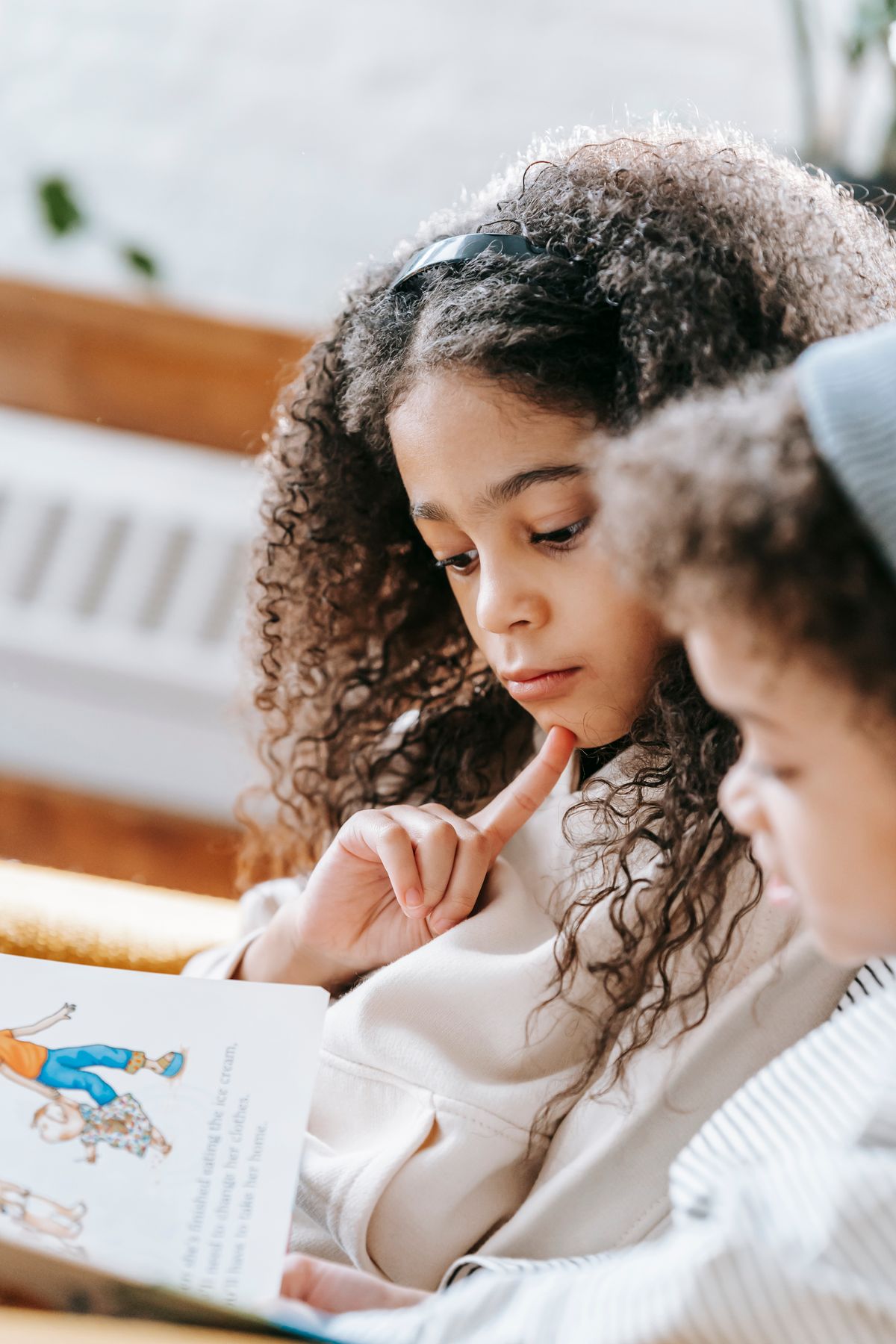
Cover photo: Kenyan schoolchildren. Source: Wikimedia Commons (public domain).
KJSEA and KPSEA: 3 days to the first paper
The Grade 9 KJSEA course covers all 9 learning areas for KSH 400. The Grade 6 KPSEA course covers all 5 subjects for KSH 300. Notes, worked examples, topical questions and full marking schemes in both.
⏳ Only 3 days to the national assessments on 26 October. Start now.
KSH 300 or KSH 400 · Get it now → 📱 M-Pesa, sent to your email after payment · join parents preparing nowHave a CBC question this article didn't answer?
Ask Somo, Kenya's first AI tutor. CBC-grounded, Kenyan examples, instant feedback. Five free questions a day with no signup, or start a 7-day free trial for 30 questions a day.
Try Somo Free →