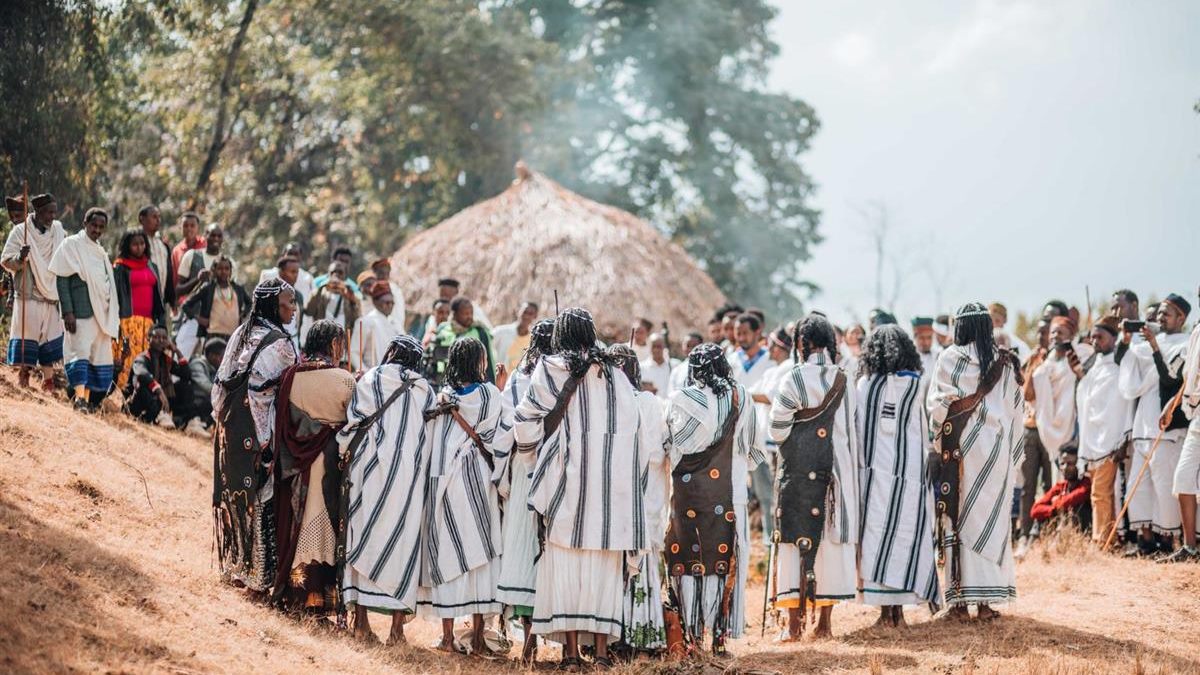
The Teachers Service Commission (TSC) has announced a plan to train creative arts teachers across 47 counties, according to Education News.
Reported development
According to Education News, the TSC is targeting 47 counties for a creative arts teachers training programme. The announcement highlights the commission’s focus on strengthening the delivery of the Creative Arts strand within the Competency-Based Education (CBE) curriculum. While the report confirms the geographical reach, it does not provide further specifics about the training schedule, content, or the number of teachers involved. The initiative is presented as part of ongoing efforts to improve instructional quality.
At this stage, additional details such as the exact dates, selection criteria, or funding arrangements have not been disclosed. Stakeholders are awaiting clarification from the TSC and the Ministry of Education. Parents and teachers are encouraged to stay informed through official channels, as more information may be released in the coming weeks. Until then, the focus remains on the broad intent to enhance creative arts teaching across the identified counties.
Why it matters for Kenyan families
Creative arts form a vital sub-strand of the CBE curriculum, supporting learners’ imagination, cultural appreciation, and critical thinking. When teachers receive specialised training, pupils benefit from richer classroom experiences, including music, drama, visual arts and dance. For families, this can translate into greater confidence for children, improved communication skills, and a stronger sense of identity rooted in Kenya’s diverse heritage. Enhanced instruction also aligns with the national goal of producing well-rounded graduates.
Parents who notice a more engaging creative arts programme may see positive spill-over effects into other subjects, as confidence gained on stage or canvas often boosts participation in maths and language activities. Moreover, a robust creative arts component can help children discover talents that may guide future career choices, whether in the performing arts, design, or cultural tourism. Recognising this link encourages families to value and support artistic learning alongside academic pursuits.
Implications for teachers and schools
For teachers, the announced training represents an opportunity to deepen pedagogical skills specific to the Creative Arts strand. Professional development can introduce new methodologies, assessment tools, and resource-rich lesson plans that align with the competency-based approach. Schools that host trained teachers may experience a shift towards more student-centred activities, collaborative projects and community-based performances, all of which are encouraged by the CBE framework.
School leaders can plan to integrate the outcomes of the training into timetables, ensuring that creative arts lessons receive adequate instructional time. Administrators might also consider allocating modest budgets for basic supplies such as paints, musical instruments, and costumes, which support the practical aspects of the curriculum. By fostering an environment that welcomes innovative teaching, schools can enhance overall learner engagement and meet the expectations set out in the national curriculum.
Keeping your child learning in creative arts now
While waiting for the formal training rollout, parents can nurture their child’s artistic interests at home. Simple activities like drawing with recycled materials, singing traditional songs, or rehearsing short skits encourage practice of the skills taught in class. Engaging with local cultural events, such as community festivals or museum visits, also reinforces learning and provides authentic contexts for creative expression.
Digital resources are increasingly accessible; many platforms offer free tutorials in music, dance, and visual arts that complement the CBE sub-strands. Parents can explore age-appropriate videos, interactive games, and printable worksheets to supplement classroom instruction. For structured support, the CBCEduKenya website provides downloadable lesson guides and activity ideas, such as the Grade 7 materials that align with the Creative Arts curriculum.
Practical steps parents can take today
Start by speaking with your child’s teacher to understand the current creative arts programme and any upcoming changes. Ask about the resources used in class and whether there are opportunities for parental involvement, such as volunteering for school performances or contributing simple art supplies. Keeping an open dialogue helps you monitor progress and identify areas where extra practice at home could be beneficial.
Create a modest art corner at home equipped with basic supplies - paper, crayons, a small drum or recorder - and set aside regular time for creative play. Encourage your child to document their work in a portfolio, which can be shared with teachers during parent-teacher meetings. Additionally, explore the Grade 8 materials for ideas on extending learning into the next academic year. These steps ensure continuous development, regardless of the training schedule.
KJSEA and KPSEA: 6 days to the first paper
The Grade 9 KJSEA course covers all 9 learning areas for KSH 400. The Grade 6 KPSEA course covers all 5 subjects for KSH 300. Notes, worked examples, topical questions and full marking schemes in both.
⏳ Only 6 days to the national assessments on 26 October. Start now.
KSH 300 or KSH 400 · Get it now → 📱 M-Pesa, sent to your email after payment · join parents preparing nowHave a CBC question this article didn't answer?
Ask Somo, Kenya's first AI tutor. CBC-grounded, Kenyan examples, instant feedback. Five free questions a day with no signup, or start a 7-day free trial for 30 questions a day.
Try Somo Free →