
Updated for Term 3, 2026. KNEC has confirmed the national assessment dates, and both the Grade 6 KPSEA and the Grade 9 KJSEA begin on Monday 26 October. This guide gives you the exact dates, the format of each assessment, and a simple week-by-week plan for the roughly ninety days between now and exam morning.
Every year the same question fills parent WhatsApp groups: "When exactly are the exams, and what should we be doing now?" For 2026 the answer is finally official, and knowing it changes how you plan the August holiday and Term 3. This guide sets out the confirmed KNEC dates for KPSEA (Grade 6) and KJSEA (Grade 9), the format of each, and, most importantly, what to actually do in the weeks that remain. It ends with a week-by-week countdown you can put on the wall.
- Both KPSEA (Grade 6) and KJSEA (Grade 9) begin Monday 26 October 2026, with a national rehearsal on Friday 23 October.
- KJSEA runs longer, from 26 October to 20 November, because it includes practical and project components alongside the written papers.
- KPSEA is a three-day assessment; the timetable is confirmed subject by subject.
- Both are summative national assessments that work together with the School Based Assessment (SBA) recorded through the year.
- There are about ninety days left: enough time to prepare well with a steady weekly rhythm, and not enough for last-minute cramming to work.
The confirmed 2026 dates
For context on scale: in 2024, over 1.2 million Grade 6 learners sat KPSEA nationwide, and all of them transitioned to Grade 7. Your child is one of a very large national cohort sitting the same assessment, on the same dates, marked to the same KNEC standard. That is exactly why steady, understanding-based preparation is what pays off.
The KPSEA timetable, day by day
KPSEA is sat over three days, with two learning areas each day, one in the morning and one in the afternoon. The confirmed order for 2026 is below.
| Day | Morning | Afternoon |
|---|---|---|
| Day 1 (Mon 26 Oct) | Mathematics | English |
| Day 2 (Tue 27 Oct) | Integrated Science | Kiswahili |
| Day 3 (Wed 28 Oct) | Social Studies | Creative Arts and Religious Education |
The practical message for parents: the heaviest-weighted areas, Mathematics and the languages, come first, so fluency in those needs to be solid before exam week rather than crammed the night before. Our KPSEA revision course is organised by these exact learning areas.
How KJSEA is different
KJSEA, at the end of Grade 9, is broader than KPSEA and runs over a longer window (26 October to 20 November) because it assesses nine learning areas and includes practical and project work, not only written papers. The Grade 9 projects in Pre-Technical Studies and Agriculture run earlier in the year, so by exam week the focus is the written assessments. Here is how the two compare at a glance.
| KPSEA | KJSEA | |
|---|---|---|
| Level | End of Grade 6 (upper primary) | End of Grade 9 (junior school) |
| Dates | 3 days from 26 Oct | 26 Oct to 20 Nov |
| Format | Written papers, two areas a day | Written papers plus practicals and projects |
| Works with | School Based Assessment | School Based Assessment |
| Leads to | Transition to Grade 7 | Placement into Senior School and a pathway |
Because KJSEA feeds Senior School placement, Grade 9 parents should also read our guide to the three Senior School pathways and the Grade 9 to Grade 10 transition. The KJSEA revision course covers all nine learning areas.
How the SBA and the national assessment combine
Neither KPSEA nor KJSEA is the whole story. Alongside the national assessment sat in late October, teachers record School Based Assessment (SBA) across the year, capturing competencies that a single sitting cannot. For parents the message is reassuring: steady work and genuine understanding through Grade 6 or Grade 9 matter as much as the final papers. A child who keeps up with class tasks, does the projects well, and practises regularly is building both the SBA record and the knowledge the national assessment will test, at the same time. That is exactly why this guide leans on a steady ninety-day rhythm rather than a dramatic final push: cramming serves neither the SBA nor the assessment. Schools record SBA scores through the KNEC CBA portal, and it is worth asking your child's teacher how your child is tracking so that revision can target the areas that need it, rather than the areas that already feel comfortable.
The nine Grade 9 learning areas
Since the 2024 rationalisation, Grade 9 has nine compulsory learning areas, and KJSEA assesses across all of them. Make sure none is quietly neglected in revision:
- English
- Kiswahili (or Kenyan Sign Language)
- Mathematics
- Integrated Science
- Social Studies
- Pre-Technical Studies
- Agriculture and Nutrition
- Creative Arts
- Religious Education (Christian, Islamic or Hindu)
All nine are compulsory, there is no optional tier, so a plan that touches every area across the week is the safe approach. The languages, Mathematics and Integrated Science reward the most regular written practice, while the practical and creative areas often hand organised learners easy marks that others leave on the table.
Subject by subject: where the marks are
Each learning area rewards a particular kind of preparation, and steering revision towards what earns marks beats spreading effort thinly across everything at once.
- English and Kiswahili reward daily reading and comprehension practice, with answers written in full, correct sentences. Grammar items and a writing task appear in both, and in Kiswahili the methali and misemo are reliable, learnable marks once a child has met enough of them.
- Mathematics rewards short, regular practice rather than occasional long sessions, and showing working, because method earns marks even when the final answer slips. Word problems reward reading carefully, deciding the operation, and checking that the answer makes sense.
- Integrated Science rewards command-word awareness. "State" wants a fact; "explain" wants a reason, usually signalled by "because". Practising the move from a bare fact to a full explanation is the single habit that lifts Science marks the most.
- Social Studies rewards map skills and organised, structured recall. Map reading, direction, symbols and distance, is a distinct skill many learners neglect, so practising it specifically pays off.
- The practical and creative areas reward keeping up with class tasks and the projects through the year, which feed both the SBA record and the final assessment rather than being a separate burden.
The ninety-day countdown
The single biggest mistake is treating late October as far away. It is about ninety days, and they pass quickly once school resumes. The trick is not to do everything every day, but to give the ninety days a shape, three phases that build on each other.
- August (rebuild the basics): use the holiday to fix weak topics, one learning area at a time, with notes and worked examples. Do not rush to full papers before the foundations are steady.
- September (practise under exam conditions): one full past-style paper per subject each week, sat under time, then marked together against the scheme. This builds both knowledge and exam stamina.
- October (sharpen and rest): light review of strong areas, targeted work on whatever the marked papers still show as weak, and, crucially, good sleep. A tired child underperforms.
For a ready-made structure, see our Grade 6 holiday revision timetable, and turn it into a plan with your child's own name on it using our free personal study plan builder.
Common mistakes in the run-up
- Cramming one or two subjects and neglecting the rest. The rota beats the marathon: touch every learning area across the week.
- Reading notes without answering questions. Marks come from practising past-style questions and checking them, not from re-reading.
- Ignoring the command words. "State" wants a fact; "explain" wants a reason; "give two" wants two distinct points. This single habit lifts scores across every subject. Our guide to reading a marking scheme shows how.
- Leaving preparation until October. By then there is only time to review, not to learn. The work that pays off happens in August and September.
What exam week actually looks like
Exam week begins before the first paper. On Friday 23 October, schools hold a national rehearsal, a practical run-through so children know where they will sit, how papers are given out and collected, and how the timing works. Take it seriously, because familiarity is what keeps a child calm on the real morning.
For the assessment days themselves, the basics matter more than any last-minute revision: a good night's sleep, a proper breakfast, arriving early without a rush, and the right equipment, pens, pencils, a ruler, a rubber, and a geometry set and calculator where they are allowed. On the paper itself, encourage your child to read each question twice, answer exactly what is asked, give as many points as the marks call for, and attempt every question rather than leaving a blank. Keeping one eye on the clock so that no section is left unfinished is worth several marks on its own. Calm, prepared and rested beats frantic, every single time.
How to prepare well
To revise the way KPSEA and KJSEA actually assess, your child needs the right material: notes organised by learning area, questions in the assessment style, and marking schemes so revision is self-checking. Our KPSEA and KJSEA revision courses gather all of this in one download. When your child is stuck on a concept, Somo, our CBC AI tutor, explains any topic in English or Kiswahili. And for a plan made for your specific child, the free personal study plan builder prints a weekly timetable with their name on it.
Frequently asked questions
When exactly do the 2026 exams start?
Both KPSEA (Grade 6) and KJSEA (Grade 9) begin on Monday 26 October 2026, following a national rehearsal on Friday 23 October. KJSEA continues to 20 November because it includes practical and project components.
How many days does KPSEA take?
KPSEA is a three-day assessment, with two learning areas each day. Mathematics and English are on Day 1, Integrated Science and Kiswahili on Day 2, and Social Studies with Creative Arts and Religious Education on Day 3.
Does the national assessment decide everything?
No. KPSEA and KJSEA are summative national assessments that work together with the School Based Assessment recorded by teachers through the year. Steady work across the year matters as much as the final sitting, which is why a ninety-day plan beats a last-minute cram.
My child is in Grade 9. What does KJSEA decide?
KJSEA, alongside the SBA, informs placement into Senior School and the choice between the three pathways: STEM, Social Sciences, and Arts and Sports Science. It is worth reading our pathway guide early so the choice is not rushed.
How much revision a day is realistic?
For most learners, about an hour on weekdays with lighter weekends is sustainable across the holiday and Term 3, plus one full marked paper a week. Short, regular sessions beat occasional long ones, and protecting time for rest and play keeps a child fresh enough to revise well.
Conclusion
The dates are no longer a mystery: 26 October is the morning that matters, with a rehearsal on 23 October and KJSEA running through to 20 November. That leaves about ninety days, which is plenty if you give them a shape, rebuild the basics in August, practise papers in September, and sharpen and rest in October. Cover every learning area, practise past-style questions, and mark honestly against the scheme, and your child will walk into 26 October prepared where it counts. To revise each subject the way it is assessed, the KPSEA and KJSEA revision courses give you everything in one place. Questions about supporting your child? WhatsApp us on +254 711 344 702.
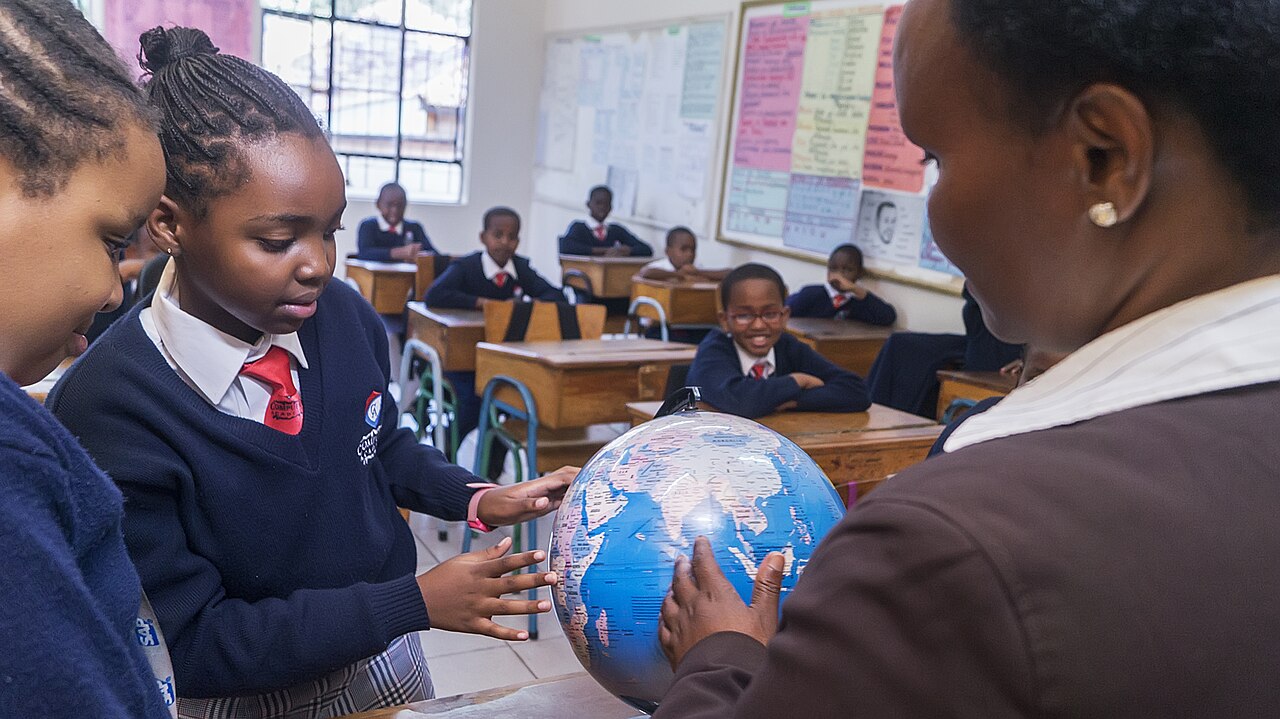
Cover photo: a Kenyan classroom. Source: Wikimedia Commons. Assessment dates from KNEC, as reported by The Star (March 2026); confirm the paper-by-paper timetable with your child's school.
Grade 9 KJSEA Complete Revision Course
All 9 learning areas in one download: notes, topical questions and full marking schemes. Built for the 26 October assessment.
⏳ Only 49 days to the national assessments on 26 October. Start now.
KSH 400 · Get it now → 📱 M-Pesa, instant download · join parents preparing nowHave a CBC question this article didn't answer?
Ask Somo, Kenya's first AI tutor. CBC-grounded, Kenyan examples, instant feedback. Five free questions a day with no signup, or start a 7-day free trial for 30 questions a day.
Try Somo Free →