
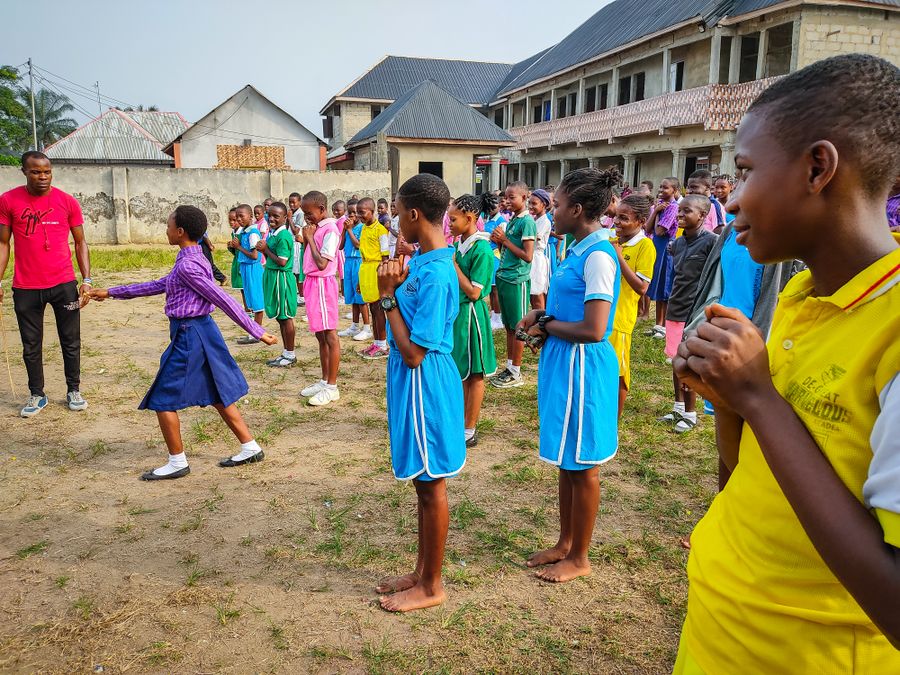
Your child has just moved from Grade 6 to Grade 7. On paper, it is one grade up. In reality, it is one of the biggest educational transitions they will ever face. Junior Secondary under CBC (now CBE) is fundamentally different from Upper Primary — more subjects, different teachers, a new assessment system, and new social dynamics.
Many parents feel helpless during this period because the CBC (now CBE) system is still relatively new, and the information available can be confusing. This article gives you practical, actionable guidance on how to support your Grade 7 child through the transition.
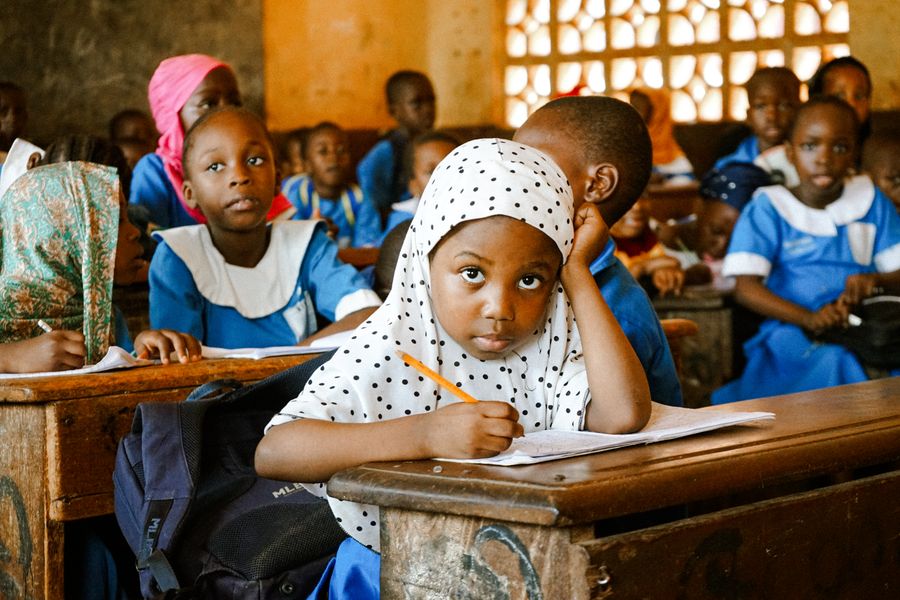
What Actually Changed From Grade 6 to Grade 7
Let us be specific about the differences your child is experiencing:
More Subjects — Much More
In Grade 6, your child studied approximately 8 learning areas: English, Kiswahili, Mathematics, Science & Technology, Social Studies, Agriculture, Creative Arts, and Religious Education. In Grade 7, they now have 13 learning areas including entirely new subjects like Pre-Technical Studies, Business Studies, Health Education, and Life Skills Education.
This means more homework, more textbooks to carry, more teachers to adjust to, and more content to revise before exams.
Different Teachers for Each Subject
In primary school, your child may have had one or two teachers for most subjects. In Junior Secondary, each learning area typically has its own specialist teacher. Your child now has to adjust to 10-13 different teaching styles, different expectations, and different classroom rules. This can be overwhelming in the first term.
CBA Assessment Is More Complex
Your child is still assessed using the BE/AE/ME/EE competency scale, but the assessment methods become more diverse and demanding in Junior Secondary:
- Written exams — End-of-term papers with more complex questions
- Practical assessments — Especially in Integrated Science, Pre-Technical Studies, and Agriculture
- Projects — Group and individual projects that contribute to the school-based assessment (SBA)
- Portfolio work — Learners maintain evidence folders of their work
- Oral presentations — Especially in English, Kiswahili, and Life Skills
Social Changes
Grade 7 learners are typically 12-13 years old — the beginning of adolescence. At the same time that the academic workload increases, your child is dealing with:
- Physical changes (puberty)
- Shifting friendships and peer dynamics
- A desire for more independence
- Potential exposure to social media and online content
- Pressure to fit in with older learners (Grade 8 and 9)
10 Practical Things Parents Can Do
1. Have a Conversation About the Change
Sit down with your child and acknowledge that Grade 7 is different and harder. Do not pretend it will be easy. Instead, say something like: "I know you have more subjects now and it might feel like a lot. That is normal. Let us figure out how to handle it together."
Children who feel their parents understand the challenge cope better than those who feel pressure to "just do well" without acknowledgement of the difficulty.
2. Help Them Organise Their Study Time
With 13 subjects, time management becomes essential. Help your child create a simple weekly study timetable:
- Assign 30-45 minutes per day for homework (not all subjects every day)
- Rotate subjects so each one gets attention at least 2-3 times per week
- Leave weekends for revision and catching up on difficult topics
- Include breaks — no child should study for more than 2 hours straight
3. Get Quality Notes for All 13 Subjects
Your child cannot rely on classroom teaching alone, especially if their school is understaffed or lacks textbooks. Having a set of well-organised notes for each learning area gives your child a reference they can study from at home, at their own pace.
4. Learn to Read the New Report Card
The CBC (now CBE) report card looks very different from the old percentage-based system. Instead of "Maths: 78%", you will see competency levels:
| Level | Code | What It Means | What to Do |
|---|---|---|---|
| Exceeding Expectations | EE | Outstanding. Applies knowledge creatively beyond grade level. | Celebrate. Challenge with enrichment activities. |
| Meeting Expectations | ME | Good. Meets all learning outcomes for the strand. | Encourage. Maintain the effort. |
| Approaching Expectations | AE | Needs work. Meets some outcomes with guidance. | Identify specific weak strands. Get extra practice materials. |
| Below Expectations | BE | Struggling. Requires significant support. | Talk to the teacher immediately. Get targeted intervention materials. |
When you receive the report card, do not just glance at the overall levels. Look at the strand-level breakdown. Your child might be ME in Mathematics overall but BE in the Geometry strand. That specific weakness is where you need to focus your support.
5. Do Not Compare With 8-4-4
It is tempting to compare your child's Grade 7 experience with what you experienced in Standard 7. Resist this. The curriculum is different, the assessment is different, and the expectations are different. Saying "When I was in Standard 7, we only had 6 subjects" is not helpful — it makes your child feel that their difficulty is somehow their fault rather than a systemic change.
6. Communicate With Teachers Early
Do not wait for parents' day to find out how your child is doing. Establish communication with at least the class teacher or form teacher in the first few weeks. Ask:
- How is my child adjusting socially?
- Are there any subjects where they seem to be struggling?
- What can I do at home to support their learning?
7. Watch for Warning Signs
The first term of Grade 7 is when adjustment problems usually surface. Watch for:
- Reluctance to go to school — Could indicate social problems or feeling overwhelmed
- Sudden drop in effort — May feel "what is the point" if too many subjects feel impossible
- Not bringing homework — Could mean they do not understand what is expected
- Complaints of headaches or stomachaches — Stress can manifest physically
- Withdrawal from family — Normal to some degree in adolescence, but extreme withdrawal warrants attention
8. Focus on the Foundation Subjects First
If your child is overwhelmed, prioritise: English, Kiswahili, Mathematics, and Integrated Science. These are the subjects that carry the most weight in KJSEA (Grade 9 national exam) and form the foundation for everything else. If your child is solid in these four, the other subjects become easier to handle.
9. Encourage Extra-Curricular Activities
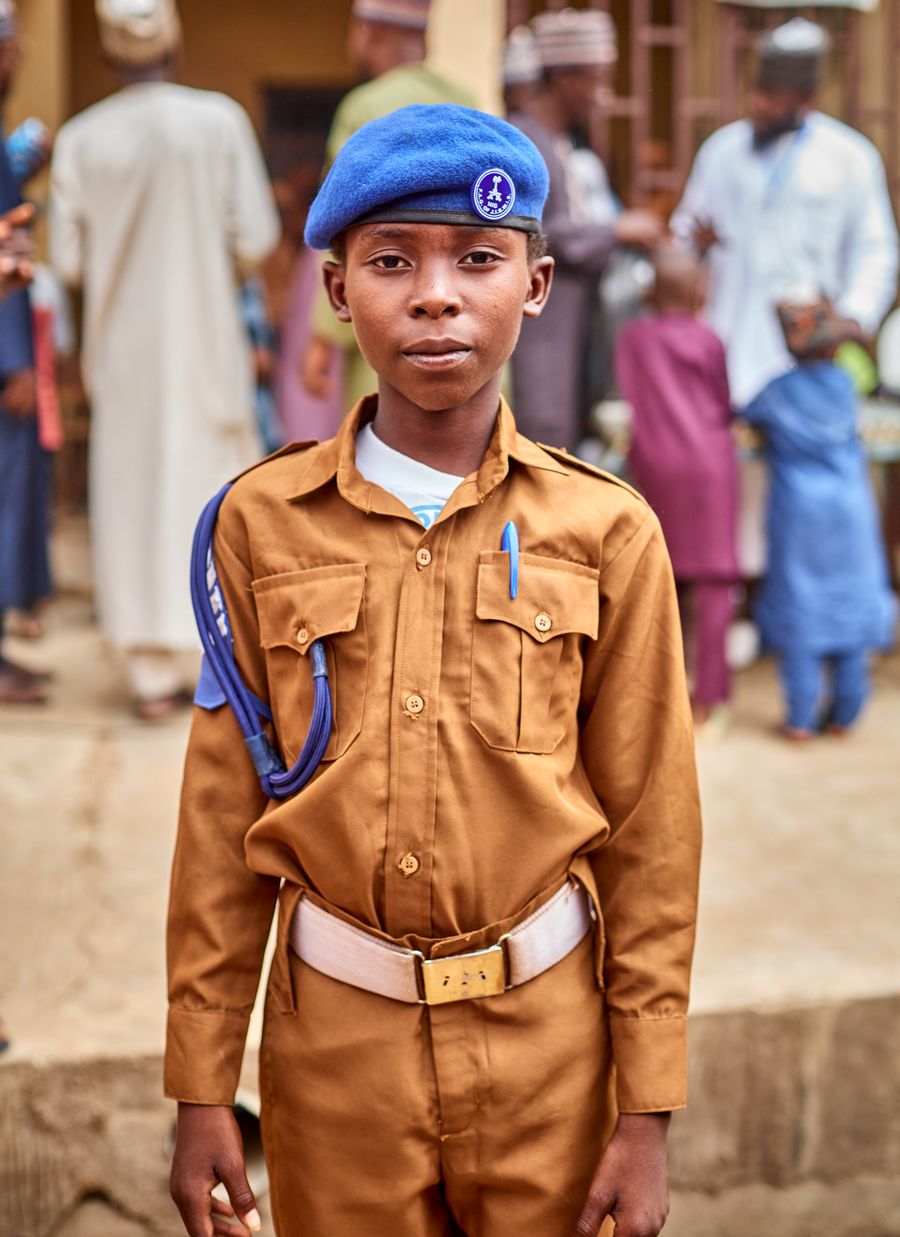
It might seem counterintuitive to add more activities to an already overloaded schedule, but extra-curricular involvement — sports, music, art, clubs — helps children with the social transition. It gives them a space where they feel competent and connected, which builds resilience for the academic challenges.
10. Use Free Online Resources
If you cannot afford to buy all the materials at once, start with free resources:
- YouTube tutorials — CBC Edu Kenya on YouTube has free lessons for Grade 7 subjects
- Free sample packs — Download free sample notes from our website to see if they help before buying full sets
- KICD website — Some curriculum designs and teacher guides are available free on kicd.ac.ke
- Our blog — This article and others like it are free and designed to help you understand CBC (now CBE)
The Bright Side: What Junior Secondary Gets Right
It is not all challenges. Junior Secondary under CBC (now CBE) has genuine advantages over the old system:
- Broader education — 13 subjects means your child gets exposure to technical, creative, and practical learning areas they would never have encountered in the old system
- Less exam pressure — CBA means one bad exam day does not define your child. Continuous assessment rewards consistent effort.
- Practical skills — Pre-Technical Studies, Agriculture, and Business Studies give real-world skills, not just theoretical knowledge
- Life Skills — This is the first time Kenya's curriculum formally teaches self-awareness, decision-making, and emotional management
Frequently Asked Questions
Is Grade 7 now in secondary school or primary school?
Grade 7 is the first year of Junior Secondary School under CBC (now CBE). It is classified as secondary education. However, many Grade 7 learners are still housed in primary school buildings because not all secondary schools have space for them. The Ministry of Education is working on infrastructure, but in practice, the physical location varies by school. What matters is that the curriculum and assessment standards are at the Junior Secondary level.
Will my child repeat Grade 7 if they score BE in most subjects?
Under CBC (now CBE), the policy is against automatic repetition. The system is designed for progression with support. If your child scores BE in several subjects, the school should provide remediation — extra support, targeted revision, and catch-up activities. However, in practice, some schools may recommend repetition for extreme cases. Discuss with the school and focus on getting supplementary materials to help your child improve.
How many exams does my Grade 7 child sit per term?
Typically, Grade 7 learners sit end-of-term exams in all examinable subjects — approximately 9-10 written papers. In addition, subjects like Pre-Technical Studies, Agriculture, and Integrated Science have practical assessment components. Life Skills Education and Sports are assessed through portfolios and observation, not written exams. The total assessment load is higher than in primary school, which is why time management is so important.
Should I hire a tutor for my Grade 7 child?
A tutor can help, but it is not always necessary. Try these approaches first: get quality notes and revision materials for each subject, use free YouTube tutorials, and establish a consistent study routine at home. If after trying these your child is still consistently scoring BE in a particular subject, a tutor focused on that specific subject may be worthwhile. Avoid tutoring in all 13 subjects — it is expensive and often counterproductive.
What is the most difficult Grade 7 subject?
Based on teacher reports and student feedback, the most challenging subjects for Grade 7 learners are usually Mathematics (the jump in difficulty from Grade 6 is significant), Integrated Science (the combination of Biology, Chemistry, and Physics concepts is new), and Pre-Technical Studies (learners with no prior exposure to technical drawing or woodwork find it unfamiliar). However, difficulty varies by individual — a child who loves numbers may find Maths easy but struggle with English Literature. Focus support on whichever subjects your specific child finds hardest.
GRADE 7 Complete Learning Pack
Every subject in one download, with notes, practice and full answer keys. Add the holiday pack in the August bundle.
⏳ Only 91 days to the national assessments on 26 October. Start now.
KSH 250 · Get it now → 📱 M-Pesa, instant download · join parents preparing nowHave a CBC question this article didn't answer?
Ask Somo, Kenya's first AI tutor. CBC-grounded, Kenyan examples, instant feedback. Five free questions a day with no signup, or start a 7-day free trial for 30 questions a day.
Try Somo Free →