
An honest 2026 guide for Kenyan parents. Boarding or day school is one of the biggest, most emotional decisions you will make about your child's education, and under the Competency-Based Education (CBE) system the old assumptions are worth questioning. This guide sets out the real advantages and drawbacks of each, what genuinely matters for your child, and a clear way to decide, without the pressure and the myths.
Ask around any group of Kenyan parents and you will hear strong opinions on both sides. Some are certain boarding builds discipline and results; others are equally certain that a child belongs at home, growing up under their own roof. The truth is that neither is right for every child, and the "best" choice depends far more on your particular child, your family, and your circumstances than on any general rule. This guide will not tell you what to do, because no honest guide could. Instead it gives you the real trade-offs, clears up the common myths, and offers a practical way to weigh the decision for your own child, so you choose with confidence rather than anxiety or peer pressure.
- There is no single right answer; the best choice depends on the child, not on a rule.
- Boarding offers structure, focus and independence, at the cost of distance and higher fees.
- Day school keeps a child close and supported at home, at the cost of commute time and home distractions.
- Under CBE, so much learning is continuous and project-based that parental involvement matters more than ever.
- Decide by your child's temperament and needs, your family situation, and honest cost, not by what other families choose.
First, question the old assumptions
Much of the boarding-versus-day debate in Kenya was shaped by the old 8-4-4 system, where boarding schools built a reputation for exam drilling and long study hours. Under CBE the picture is different. A great deal of assessment is now continuous, spread across the years as School Based Assessment, and much of it is project-based and skills-focused rather than pure cramming. That shift quietly raises the value of a parent who is present and involved, which is one reason the automatic assumption that "serious families board" deserves a fresh look. Boarding can still be an excellent choice, but it is a choice to make on its merits for your child, not a default that seriousness requires.
Boarding school: the honest picture
What it offers. A structured environment with fixed study time and fewer distractions. Independence and life skills, as a child learns to manage their own time, belongings and relationships. A focused peer group and, often, more facilities. For a self-motivated child, or a home where quiet study time is genuinely hard to find, that structure can be transformative.
What it costs. Distance from family during formative years, which some children handle well and others find genuinely hard. Higher fees, once boarding, meals and extras are added. Less day-to-day parental involvement, at exactly the time CBE rewards it. And a real risk for a child who is not ready: homesickness, anxiety, or slipping through the cracks in a large boarding population without a parent noticing.
Day school: the honest picture
What it offers. Your child at home every evening, where you see their mood, their struggles and their progress, and can support the CBE projects and daily work directly. Lower cost in most cases. The emotional security of family, which matters more for some children than any facility. And a parent who can catch a problem early, before it grows.
What it costs. Commute time and, in some areas, safety concerns on the journey. Home distractions and the discipline of carving out study time yourself. A dependence on the home environment being calm and supportive enough for learning, which is not every family's reality. For a child who needs external structure, or a home that cannot provide a quiet study space, day school can leave gaps that boarding would fill.
The two options side by side
| Boarding | Day school | |
|---|---|---|
| Structure | High, fixed study routine | Depends on the home |
| Parental involvement | Limited during term | Daily and direct |
| Independence | Builds it quickly | Builds it more gradually |
| Emotional support | From peers and staff | From family, close at hand |
| Cost | Higher (boarding + meals) | Lower in most cases |
| Best for | Self-motivated child, or hard-to-study home | Child who needs family close, supportive home |
What actually matters: your child, not the school type
The most useful shift a parent can make is to stop asking "which is better?" and start asking "which is better for this child?" The same school type produces very different outcomes depending on the child in it. A self-reliant, sociable child who struggles to study at home may thrive in boarding; an anxious child who draws security from family may struggle in the same environment. The questions that matter are about your child, not the brochure.
Questions to ask before you decide
- Can my child study effectively at home? Is there a quiet space and a routine, or is home genuinely too busy or distracting?
- How independent and settled is my child? Would time away build them up, or would it unsettle them at a formative age?
- Can we afford it comfortably? Add boarding, meals, transport home and extras, and be honest about the true figure across all the years.
- How is the journey? For day school, is the daily commute safe and reasonable, or is it long and draining?
- What does my child want, and why? Their view matters; understand the reasons behind it, whether it is friends, fear, or genuine preference.
- What does the specific school offer? A good day school beats a weak boarding school and the reverse; judge the actual school, not the category.
Common myths, cleared up
- "Boarding guarantees better results." It does not. Results come from the child, the teaching and the support, in any setting. A motivated day scholar outperforms an unhappy boarder.
- "Day scholars cannot be disciplined." Discipline is built at home and school together; plenty of day scholars are highly disciplined, and plenty of boarders are not.
- "Serious families always board." Under CBE, an involved parent at home is a real advantage. Seriousness shows in support, not in a school category.
- "Boarding is only for exam years." If you choose boarding, do it for the right reasons and the right child, not as a last-minute exam strategy that can unsettle a learner at the worst time.
Doing the honest cost maths
Cost is where many families make the decision without ever quite adding up the real figure, and it is worth doing properly before you commit. Boarding fees are only the headline number. Underneath them sit meals, boarding charges, uniforms and kit, pocket money, travel home each term, and the extras a boarding school tends to require. Add those across a full year, and then across all the years your child will attend, and the true figure is often considerably higher than the fee on the brochure. Day school has its own costs, transport, lunches, and the time a parent spends on the daily routine, but they are usually lower and easier to plan for. The honest question is not "can we pay the fees this term?" but "can we sustain the full cost comfortably, every term, for years, without straining the family?" A choice that stretches the household to breaking point serves no child well. It is far better to choose a well-supported day-school path you can sustain than a boarding place that becomes a source of constant financial stress at home.
What to look for when you visit a school
Whichever direction you lean, the specific school matters more than the category, so visit before you decide, and look past the polished tour. Notice how the current learners behave and whether they seem settled and happy, not just how the facilities look. Ask how the school supports a child who is struggling, and how it communicates with parents, which matters enormously for a boarder you will not see daily. For boarding, ask about supervision, welfare and how homesickness is handled in the early weeks. For day school, ask about the daily routine, safety, and how they help a child who has a difficult home study environment. Ask about class sizes and how individual attention actually works in practice. A confident, caring school will answer these plainly; one that deflects them is telling you something. The right school, boarding or day, is the one that will genuinely see and support your particular child, not simply the one with the biggest name or the newest buildings.
Whichever you choose, this matters most
Here is the reassuring truth: the school type matters far less than the support around it. A child who is loved, supported, and given the right materials will do well in boarding or day school. A child who is left to sink will struggle in either. Wherever your child learns, the fundamentals are the same: a steady routine, the right revision materials, help with weak areas, and a parent who stays involved. Our CBC materials library supports learners in any setting, our grade bundles gather everything a child needs in one place, and when they are stuck on a topic, Somo, our CBC AI tutor, explains it in English or Kiswahili, whether your child is at home or getting extra help between boarding terms.
Frequently asked questions
Is boarding better for CBE?
Not automatically. CBE's continuous, project-based assessment actually raises the value of an involved parent, so a supportive day-school home can be a real advantage. Boarding suits some children well, but it is a choice to make on its merits, not a CBE requirement.
At what age is boarding appropriate?
It depends far more on the child's readiness than on a fixed age. A settled, independent child copes earlier; a child who relies heavily on family security may need more time, or may do better as a day scholar throughout.
How do I know if my child is ready to board?
Look at how they handle time away from home, how independent they are with their own routine and belongings, and how they cope with new environments. Talk to them honestly, and take their comfort seriously rather than overriding it.
Does day school hurt exam performance?
No, provided the home offers a quiet study space and a routine, and the child keeps up steady revision. Results come from consistent work and support, which a day scholar can absolutely have.
What if we cannot afford boarding?
Then a well-supported day-school path is a strong, honest choice, not a compromise. Focus the resources you do have on the fundamentals: routine, good materials, and staying involved. Those matter more than the school category.
Conclusion
Boarding or day school is a real decision, but it is not the decision it is often made out to be. Neither is better in the abstract; the right choice is the one that fits your particular child, your home, and your honest means. Question the old assumptions, weigh your child's temperament, your home environment, and the true cost, and judge the specific school rather than the category. Then choose with confidence, and put your energy where it matters most: the steady support, the right materials, and the involvement that help a child thrive in any setting. Remember that the very best boarding school cannot replace an involved parent, and the humblest day school cannot hold back a supported, motivated child, so wherever you land, your involvement remains the most powerful factor of all. To support your child wherever they learn, explore our CBC materials and grade bundles. Questions about the choice ahead? WhatsApp us on +254 711 344 702.
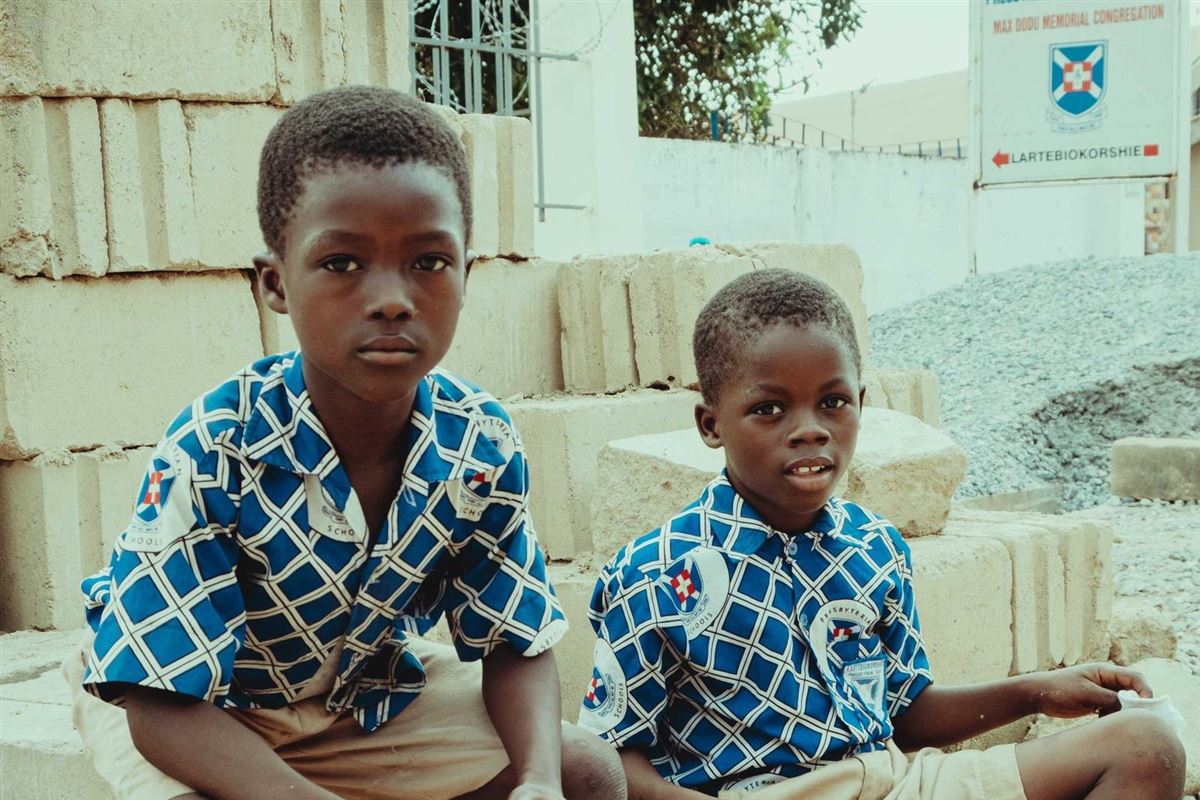
Cover photo: Kenyan schoolchildren. Source: Pexels.
August Complete Bundle: Every Grade
All subjects plus the Holiday Revision Pack in one download, PP1 to Grade 12. Built for the August holiday, the longest revision window before October.
⏳ Only 41 days to the national assessments on 26 October. Start now.
from KSH 300 · Get it now → 📱 M-Pesa, instant download · join parents preparing nowHave a CBC question this article didn't answer?
Ask Somo, Kenya's first AI tutor. CBC-grounded, Kenyan examples, instant feedback. Five free questions a day with no signup, or start a 7-day free trial for 30 questions a day.
Try Somo Free →