The Kenya Primary School Examination Authority (KPSEA) has released the full 2026 examination timetable, paper durations and special needs provisions, according to Education News. Details are expected to be clarified in upcoming bulletins.
Official Announcement from KPSEA
According to Education News, the KPSEA has published the complete timetable for the 2026 primary examinations, outlining the length of each paper and the specific provisions that will support learners with special needs. The announcement provides a framework for schools, teachers and families to align their preparation activities with the official schedule. While the document confirms that a full set of dates and durations is now available, it does not yet disclose the exact subject order or any regional variations.
At this stage, the precise dates for each examination, the allocation of subjects to specific days, and the detailed accommodations for learners who require additional support have not been released. Stakeholders are therefore encouraged to monitor official KPSEA communications for updates that will clarify these outstanding items. Schools are likely to circulate the final schedule to parents once the authority finalises the full document, ensuring that every household can plan effectively for the examination period.
Why This Matters for Kenyan Families
Understanding the exact dates and durations of each paper enables families to organise study routines that dovetail with school timetables and household responsibilities. When parents know when a mathematics paper will run for ninety minutes versus a language paper of sixty minutes, they can allocate appropriate revision time, schedule rest periods and avoid last-minute cramming that often leads to fatigue. This foresight also helps caregivers coordinate transport, meals and quiet study spaces, reducing the logistical pressures that accompany high-stakes examinations.
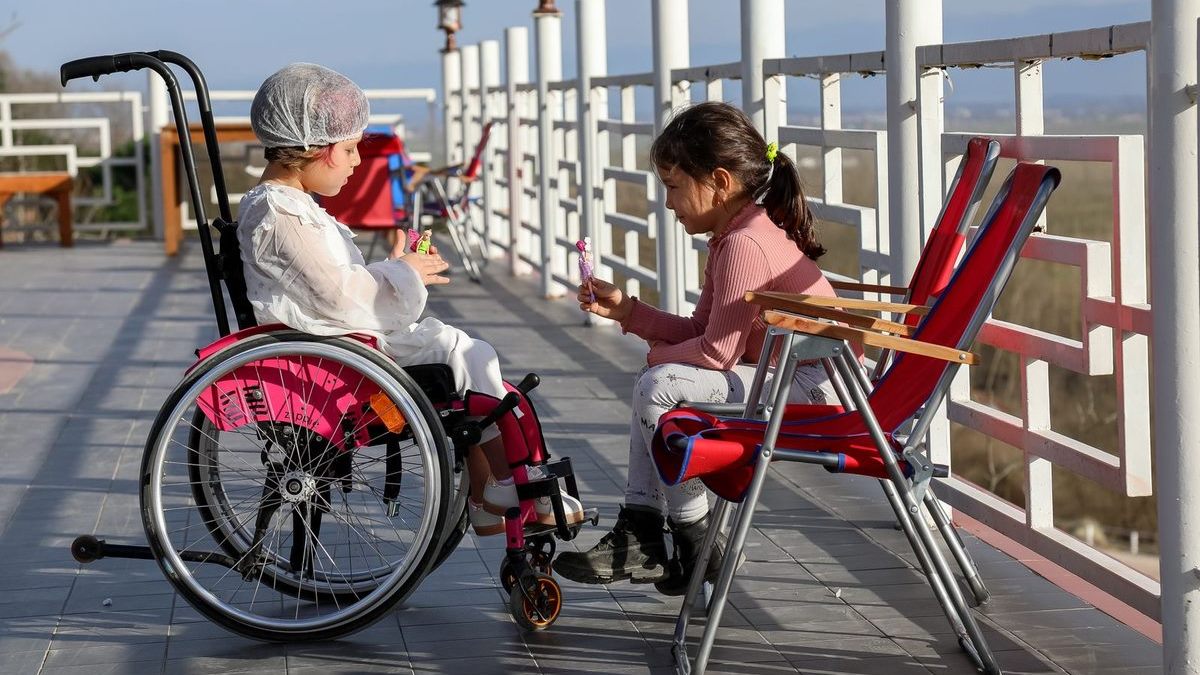
The inclusion of special needs provisions in the timetable signals a commitment to equitable assessment, ensuring that learners with disabilities or learning difficulties receive the accommodations they are entitled to. For parents of children who require extra time, a separate room or assistive technology, early awareness of these provisions means they can begin discussions with teachers about the specific supports needed. It also allows families to arrange any required equipment or specialist assistance well before the exam window opens, avoiding last-minute hurdles that could affect performance.
Implications for Teachers and Schools
For teachers, a confirmed timetable offers a concrete anchor around which to pace the delivery of the CBC strands and sub-strands for the remainder of the term. Knowing that a science paper will occupy a ninety-minute slot on a particular date allows educators to schedule practical sessions, revision quizzes and formative assessments in the weeks leading up to that day. This alignment helps maintain curriculum continuity, prevents rushed coverage of essential concepts and ensures that learners meet the expected competency levels.
Schools can also use the timetable to plan pastoral support, especially for learners who will sit for exams under special-needs arrangements. By mapping the exam dates onto the school calendar, administrators can allocate additional invigilators, arrange accessible venues and confirm that any assistive devices are tested in advance. Clear communication with parents about these logistical details builds confidence and reduces anxiety for both pupils and families.
How Parents Can Support Their Child’s Preparation
Even without the final subject order, parents can create a flexible study plan that respects the known paper lengths and the CBC structure. Consider the following approaches:
- Set a regular, daily revision slot of 30-45 minutes for each core strand - Mathematics, English, Kiswahili, Science and Social Studies.
- Use past papers to familiarise the child with the format of ninety-minute and sixty-minute examinations, practising time management in a low-stress environment.
- Incorporate short breaks after each study block to sustain concentration and prevent burnout.
- Encourage the use of visual organisers such as mind maps or concept charts, which align well with CBC sub-strands and aid recall.
- Maintain open communication with the child’s teacher to verify that the home revision aligns with classroom coverage.
What Teachers and Schools Should Do to Align Curriculum
Teachers can leverage the timetable to fine-tune their pacing guides. Practical steps include:
- Review the CBC syllabus and identify which sub-strands require reinforcement before the exam dates.
- Plan formative assessments that mimic the duration of the upcoming papers, allowing students to experience the same time constraints.
- Schedule collaborative revision sessions, such as peer-teaching activities, that reinforce key concepts across strands.
- Document any special-needs accommodations early and share the plan with the school’s support team to guarantee smooth implementation.
- Provide parents with concise briefing notes that outline the week-by-week revision focus, enabling home support that mirrors classroom instruction.
Keeping Learning Momentum During the Exam Period
Examination weeks can be stressful, but learning should not stop entirely. Here are strategies to keep children engaged without overwhelming them:
- Integrate low-stakes activities such as educational games, puzzles or storytelling that reinforce literacy and numeracy skills.
- Allow brief, enjoyable physical activity breaks - a short walk or simple stretches - to refresh the mind.
- Use real-world contexts, for example, cooking to practise measurement (Mathematics) or reading a newspaper article to enhance comprehension (English).
- Encourage reflective journalling after each exam day, letting the child note what went well and what could be improved for the next paper.
- Maintain a consistent bedtime routine to ensure adequate rest, which is crucial for memory consolidation.
Practical Steps to Take Now
While the final KPSEA bulletin is awaited, families and schools can act immediately to prepare for the upcoming exam cycle:
- Bookmark the KPSEA website and the Education News portal for the next official update.
- Contact the class teacher to confirm the current coverage of CBC strands and request any recommended revision resources.
- Review the school’s policy on special-needs accommodations and begin gathering any required assistive tools, such as enlarged print materials or audio devices.
- Set up a quiet, well-lit study area at home, stocked with stationery, a clock and any necessary technology.
- Create a simple calendar that marks known exam weeks, study blocks and rest days, sharing it with all caregivers involved.
By staying informed, coordinating with teachers and adopting a structured yet flexible home-learning routine, parents can turn the release of the 2026 KPSEA timetable into an opportunity for organised preparation. The combined effort of families, schools and the examination authority will help ensure that every learner, including those who need special accommodations, approaches the exams with confidence and readiness.
Grade 6 KPSEA Complete Revision Course
All 5 subjects with notes, worked examples, questions and marking schemes. Rebuilt for the 26 to 28 October assessment.
⏳ Only 1 days to the national assessments on 26 October. Start now.
KSH 300 · Get it now → 📱 M-Pesa, sent to your email after payment · join parents preparing nowHave a CBC question this article didn't answer?
Ask Somo, Kenya's first AI tutor. CBC-grounded, Kenyan examples, instant feedback. Five free questions a day with no signup, or start a 7-day free trial for 30 questions a day.
Try Somo Free →