
A 2026 guide for Kenyan parents. Term 2 ends on 31 July, and after the August holiday comes Term 3, the most important term of the year. For Grade 6 and Grade 9 learners it is the final stretch to the national assessments; for every other grade it decides how the year is remembered. Here is how to help your child start Term 3 strong, not scramble to catch up.
There is a quiet pattern in every school year. The first week of a new term sets its tone. A child who arrives rested, organised, and clear about what matters tends to stay ahead; a child who drifts back in and spends three weeks "settling" spends the rest of the term chasing. Term 3 is where that pattern matters most, because it is the term that ends in the assessments the whole year has been building towards. This guide gives you a practical, low-stress way to help your child begin Term 3 well, using the August holiday to prepare rather than simply to rest, and turning the first weeks back into momentum instead of a slow restart.
- Term 2 ends 31 July; Term 3 is the final term before the October national assessments.
- For Grade 6 (KPSEA) and Grade 9 (KJSEA), Term 3 is the decisive run to 26 October.
- The August holiday is preparation time, not just rest; a little steady work prevents a hard restart.
- The first two weeks of Term 3 set the tone; start organised, not scrambling.
- Rest still matters. A child who returns fresh outperforms one who was pushed all holiday.
Why Term 3 is the term that counts
Every term matters, but Term 3 carries the most weight. For learners in national assessment years, it is the final preparation window: the KPSEA and KJSEA both begin on 26 October, and Term 3 is where the last real learning and revision happen. For every other grade, Term 3 closes the year and shapes the record that carries into the next one. It is also the shortest, busiest stretch, packed between the August holiday and the assessment window, which is exactly why a strong start matters so much. There is no time to lose three weeks settling back in.
Use the August holiday to prepare, not just to rest
The single biggest lever you have is the August holiday. Treated as pure downtime, it becomes a gap the child has to climb back out of in September. Treated as light, steady preparation, it becomes a running start. This does not mean turning the holiday into a boot camp; a tired, resentful child learns nothing. It means keeping a gentle rhythm alive so the return to school is a continuation, not a cold restart. Our August holiday revision plan lays out exactly how to balance rest and preparation.
| When | What to do | Why it helps |
|---|---|---|
| Early August | Rest first, then a light daily rhythm | Recovers energy without losing the habit of learning |
| Mid August | Fix weak topics, one subject at a time | Closes gaps while there is time and no exam pressure |
| Late August | Restore routine: sleep, meals, a study slot | A child on routine hits the ground running in week one |
| Term 3, week 1 | Start work properly from day one | Sets the tone for the whole term |
The first two weeks: start strong, not scrambling
How your child returns to school matters more than most parents realise. The first two weeks are when habits reset, for better or worse. A few simple moves make the difference between a strong start and a slow one:
- Restore the sleep routine before school resumes, not on the first morning. A week of earlier nights beforehand means a child who is awake and ready in week one.
- Have the materials ready. Books, notes, a working study space, and the revision materials for the term sorted before day one, so nothing is a scramble.
- Set one clear goal for the term with your child. A single, concrete aim ("get comfortable with fractions", "read a book a week") gives the term direction.
- Start the study slot in week one. Do not wait for exams to loom; a short daily slot from the first week builds momentum that carries.
- Check in with the teacher early. A quick conversation about where your child stands lets you support the right things from the start.
The countdown that shapes Term 3
For Grade 6 and Grade 9 families especially, Term 3 is a countdown. Seeing it as one picture helps you pace it: build in the holiday, peak in September, sharpen and rest in October.
What a strong Term 3 week looks like
You do not need a complicated plan. A repeatable weekly shape carries a child through the term without burning them out:
- Every school day: a short study slot at home, twenty to forty minutes, on that day's weakest subject, plus reading.
- Rotate the focus across the week so every learning area gets attention, not just the favourites.
- Once a week: a full practice paper under time for assessment-year learners, then marked together against the scheme.
- Protect one rest day. A child who never switches off arrives at October exhausted, and tired children underperform.
Common Term 3 mistakes to avoid
- Spending three weeks "settling in". Term 3 is too short for a slow start; begin properly in week one.
- Cramming one subject and dropping the rest. The rota beats the marathon; touch every learning area.
- Leaving revision materials until the last minute. Sort them before the term so nothing is a scramble.
- Confusing activity with progress. Re-reading notes feels productive but does little; practising questions and marking them is what moves scores.
- Pushing so hard there is no rest. Burnout in September wastes the very time that matters most.
How CBC Edu Kenya helps you start strong
To make week one count, your child needs the right materials ready: notes organised by learning area, questions in the assessment style, and marking schemes so revision is self-checking. For Grade 6 and Grade 9, our KPSEA and KJSEA revision courses gather everything for the term in one download. For the full picture of what is coming, our confirmed 2026 dates and 90-day plan maps the run to 26 October. And when your child is stuck on a topic, Somo, our CBC AI tutor, explains it in English or Kiswahili, any time of day.
Do not forget the rest half of the equation
It is worth saying plainly: a strong start is not a hard start. The goal is a child who returns to Term 3 rested, organised, and quietly confident, not one who spent the whole holiday being drilled. Rest is not the opposite of preparation; it is part of it. A well-rested child learns faster, remembers more, and copes better with the pressure of a national assessment year. Balance is the whole art: enough steady work that the return is smooth, enough real rest that the child is fresh for the term that matters most.
Term 3 subject by subject: where to put the effort
A strong Term 3 is not about doing more of everything; it is about putting effort where it earns the most. Each learning area rewards a slightly different kind of work in the final term, and knowing this helps you support the right thing at home.
- Mathematics: the biggest gains come from short, regular practice and marked past-style questions. Method matters, so make sure your child shows working and reviews every lost mark to see where the method slipped. A little maths on most days beats one long weekend session.
- English and Kiswahili: keep daily reading alive right through the term, and practise comprehension and writing tasks with answers in full, correct sentences. In Kiswahili, revising common methali and sarufi is reliable, learnable marks. Languages reward consistency more than cramming.
- Integrated Science and Science and Technology: focus on command-word awareness, the difference between "state", "explain", and "give reasons". Turning a bare fact into a full explanation is the single habit that lifts science marks the most in the final term.
- Social Studies: practise map skills specifically, since many learners neglect them, and use simple memory aids for facts. Organised, structured recall scores well.
- The practical and creative areas: finish any outstanding projects properly and on time. In an assessment year these often carry marks that organised learners quietly collect while others leave them behind.
Keeping motivation up through a long term
Term 3 is a marathon, and motivation is what carries a child across it. A few small things protect it. Celebrate effort and progress, not just marks, so your child stays willing to try hard things. Break the term into short, visible goals rather than one distant exam, because a child who can see the next small win keeps going. Keep the tone at home calm and encouraging, especially in an assessment year, since anxiety costs more marks than any gap in knowledge. And protect the things that keep a child whole through a hard term: enough sleep, proper meals, time to play, and the sense that they are supported rather than pressured. A motivated, rested child in Term 3 will outwork an anxious, exhausted one every single time.
Frequently asked questions
When does Term 3 2026 begin?
Term 3 follows the August holiday, after Term 2 ends on 31 July. Confirm the exact opening date with your child's school, and see our 2026 school calendar for the full year's dates.
Why is Term 3 so important?
It is the final term before the national assessments. For Grade 6 (KPSEA) and Grade 9 (KJSEA), the exams begin on 26 October, so Term 3 is where the last real preparation happens.
Should my child study during the August holiday?
Yes, but lightly and steadily, not intensively. Rest first, then keep a gentle daily rhythm so the return to school is a continuation rather than a cold restart.
How do I stop my child falling behind in the first weeks?
Restore the sleep routine before school resumes, have materials ready, set one clear goal, and start a short daily study slot from week one rather than waiting for exams to loom.
My child is not in an exam year. Does Term 3 still matter?
Yes. Term 3 closes the year and shapes the SBA record that carries forward. A strong finish sets up a strong start to the next grade.
How much should my child study each day in Term 3?
For most learners, a short daily slot of twenty to forty minutes on school days, focused on the weakest subject, plus daily reading, is realistic and sustainable across the whole term. Assessment-year learners should add one full practice paper a week, sat under time and marked together. Short and regular beats long and occasional, and it leaves room for the rest that keeps a child fresh for October.
Conclusion
Term 3 is short, busy, and decisive, and how your child begins it largely decides how it ends. Use the August holiday to rest first and then prepare lightly, restore routine before school resumes, and start properly in week one rather than drifting through it. Keep a steady weekly rhythm, protect real rest, and make sure the right materials are ready from day one. Do that, and your child begins the most important term of the year with momentum instead of a scramble. For everything they need for the run to 26 October, the KPSEA and KJSEA revision courses have it in one place. Questions about the term ahead? WhatsApp us on +254 711 344 702.
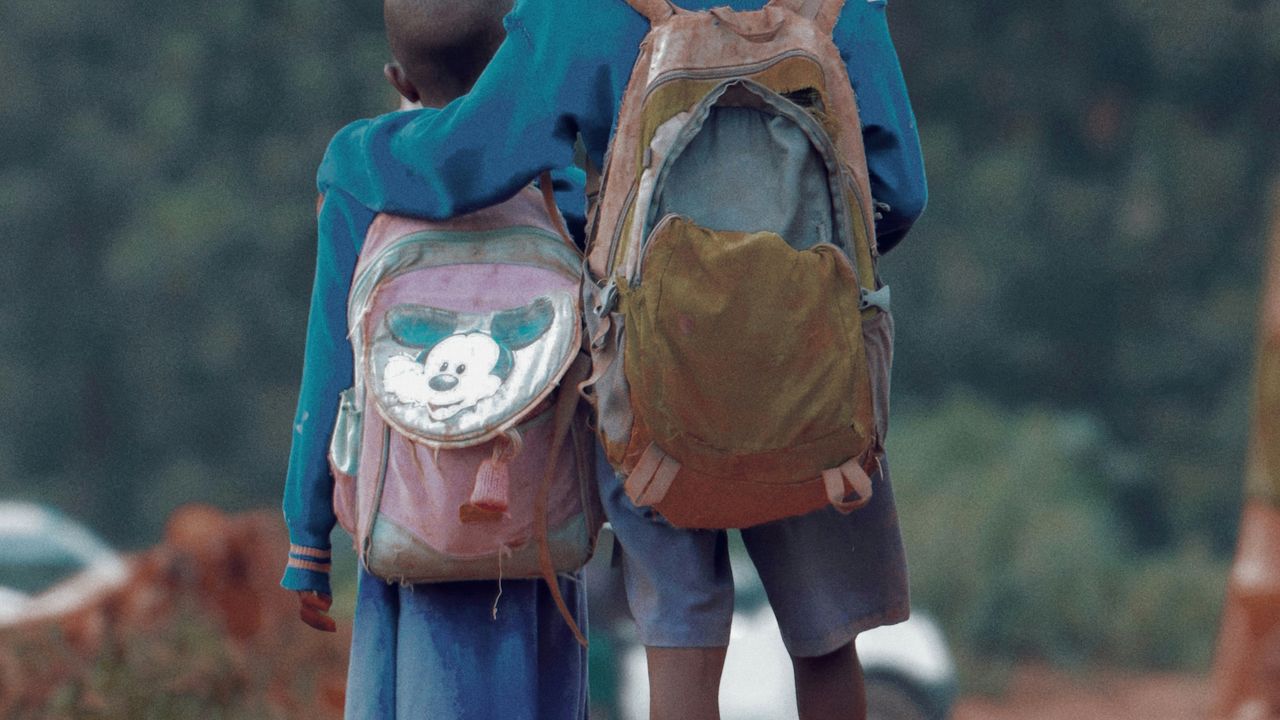
Cover photo: Kenyan schoolchildren. Source: Pexels.
KJSEA and KPSEA revision courses
The Grade 9 KJSEA course covers all 9 learning areas for KSH 400. The Grade 6 KPSEA course covers all 5 subjects for KSH 300. Notes, worked examples, topical questions and full marking schemes in both.
KSH 300 or KSH 400 · Get it now → 📱 M-Pesa, sent to your email after payment · join parents preparing nowHave a CBC question this article didn't answer?
Ask Somo, Kenya's first AI tutor. CBC-grounded, Kenyan examples, instant feedback. Five free questions a day with no signup, or start a 7-day free trial for 30 questions a day.
Try Somo Free →