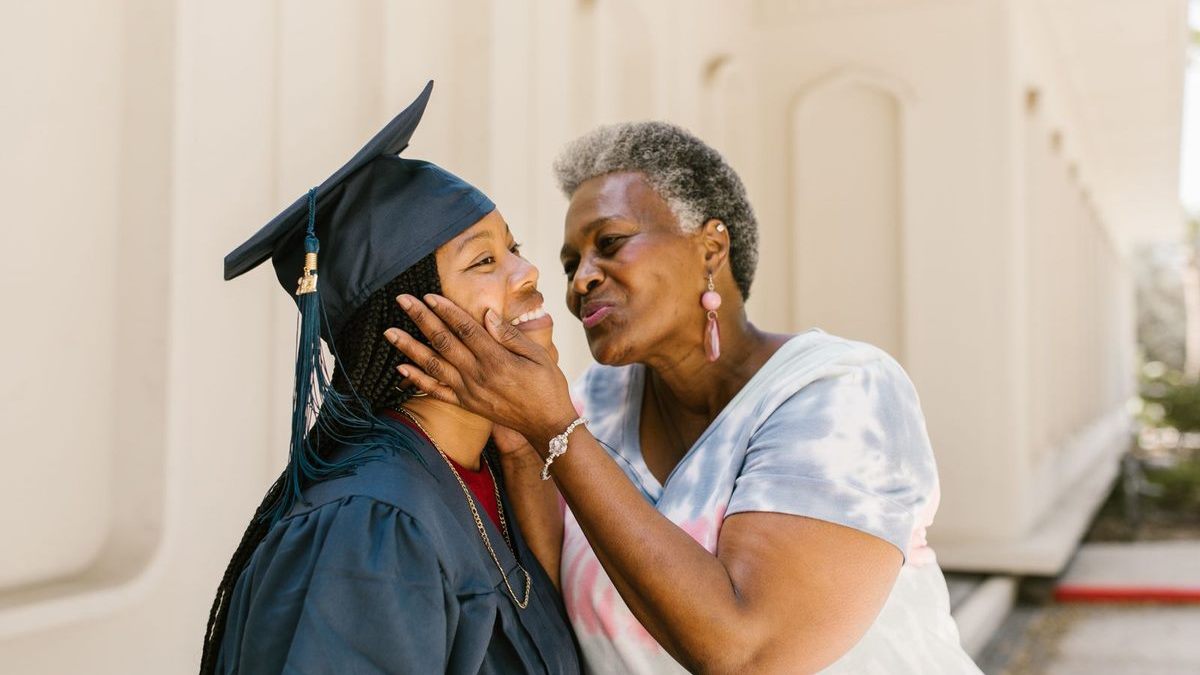
According to Facebook, a 15-year-old candidate sat for the Kenya Primary School Education Assessment (KPSEA) at Homa Bay County Teaching and Referral Hospital, barely two days after giving birth. The post did not provide further context, such as the circumstances surrounding the exam or the support the girl received.
At this stage, no additional information has been verified by education authorities or health officials. Parents and teachers are therefore urged to await official statements before drawing conclusions about policy implications or required interventions.
Why This Situation Matters for Kenyan Families
Teenage pregnancy can interrupt a child’s education, creating gaps that affect long-term academic progress. When a young mother is still required to sit for a national assessment, families may feel pressure to balance health, childcare, and study demands simultaneously. Understanding the challenges helps parents provide the emotional and logistical support needed to keep the child on track with the Competency-Based Curriculum (CBC) strands.
Beyond the immediate exam, the case highlights broader societal issues that families encounter daily. Access to accurate reproductive health information, early-intervention programmes in schools, and community support networks all play a part in preventing school drop-out. Parents who discuss these topics openly can reduce stigma and encourage young people to seek help before a pregnancy becomes a barrier to learning.
Within the CBC, each learner is expected to develop competencies across Literacy, Numeracy, Life Skills and the thematic areas of the curriculum. A teenage mother who continues her studies demonstrates that the system can be flexible enough to accommodate life changes, reinforcing the message that education remains a viable pathway regardless of personal circumstances.
What It Means for Teachers and Schools
Teachers may need to consider flexible assessment arrangements for students facing extraordinary circumstances. While the KPSEA is a standardised test, schools can offer additional revision sessions, peer-to-peer tutoring, and targeted support in the relevant strands and sub-strands. Recognising the unique pressures on teenage mothers enables educators to create an inclusive environment that does not compromise learning outcomes.
School leadership should also coordinate with health facilities to ensure that any student who has recently given birth receives appropriate counselling and academic guidance. By documenting individual needs, teachers can adapt lesson plans, provide catch-up worksheets, and monitor progress without stigmatising the learner.
Professional development that includes training on gender-sensitive pedagogy and the psychosocial needs of young parents can equip teachers with practical strategies. For example, a teacher might integrate real-life scenarios, such as budgeting for baby supplies, into Mathematics lessons, thereby linking curriculum objectives with the learner’s lived experience.
How to Keep Learning Momentum During Term and Holidays
Even when a student faces personal challenges, the CBC framework allows for continuous learning through everyday activities. Parents can reinforce key concepts in Mathematics, Literacy, and Science by integrating them into household chores, cooking, and budgeting exercises. Measuring ingredients can strengthen measurement skills, while budgeting for baby supplies reinforces basic arithmetic and financial literacy.
Online resources such as Grade 7 materials and Grade 8 materials provide printable worksheets that align with the current term’s strands. During school holidays, short daily study blocks of 20-30 minutes can prevent learning loss and keep the child familiar with exam formats, especially in areas like reading comprehension and problem-solving.
In addition to digital tools, low-cost, low-tech activities can be highly effective. Reading a story aloud and discussing the main ideas supports Literacy; sorting recyclable materials by size or colour can develop classification skills; and simple science experiments, such as observing plant growth, reinforce inquiry skills outlined in the CBC Life Skills strand.
Practical Steps Parents Can Take Right Now
First, arrange a meeting with the child’s teacher to discuss a personalised learning plan that accommodates childcare responsibilities. Request copies of lesson notes, past KPSEA papers, and any remedial activities that target the specific strands the child will be examined on. Maintaining open communication ensures that the student does not fall behind while managing new parental duties.
Second, create a supportive study space at home that is quiet, well-lit, and stocked with necessary supplies. Use a simple timetable that balances study, rest, and baby-care, and involve other family members in caregiving to free up study time.
Third, explore community programmes that offer tutoring or mentorship for teenage mothers. Many NGOs and faith-based organisations run after-school clubs that provide academic support alongside life-skills training.
Finally, consider the following checklist to structure immediate action:
- Speak with the class teacher and request a written learning plan.
- Gather all relevant CBC resources - textbooks, worksheets, and online modules.
- Set up a daily study routine of 20-30 minutes, focusing on one strand at a time.
- Identify a trusted family member or neighbour who can assist with baby-care during study periods.
- Enroll the child in a local support group for teenage mothers, if available.
- Monitor progress weekly and adjust the plan as needed, keeping the teacher informed.
By taking these steps, families can help the young mother stay engaged with her education, reduce the risk of long-term disengagement, and demonstrate that the CBC’s competency-based approach can adapt to real-life challenges.
Grade 6 KPSEA Complete Revision Course
All 5 subjects with notes, worked examples, questions and marking schemes. Rebuilt for the 26 to 28 October assessment.
KSH 300 · Get it now → 📱 M-Pesa, sent to your email after payment · join parents preparing nowHave a CBC question this article didn't answer?
Ask Somo, Kenya's first AI tutor. CBC-grounded, Kenyan examples, instant feedback. Five free questions a day with no signup, or start a 7-day free trial for 30 questions a day.
Try Somo Free →