
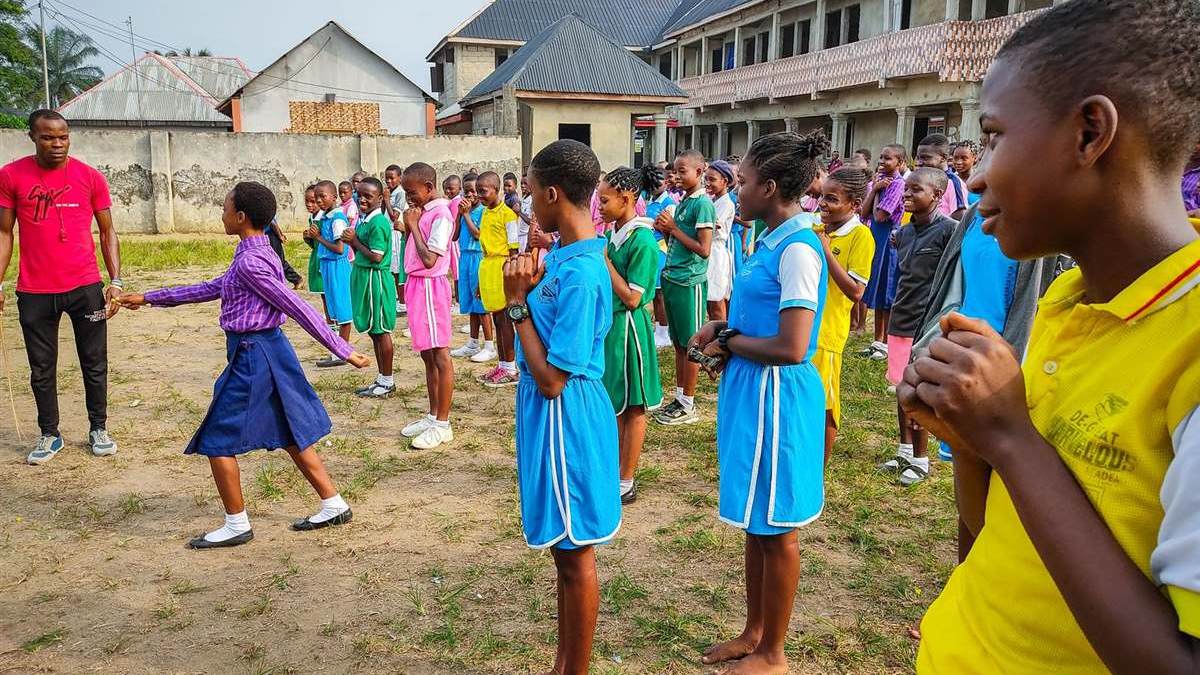
The Ministry of Education has announced that activities in the third term will be limited as schools move into the examination period.
Official Announcement
According to the-star.co.ke, the Ministry of Education has issued guidance that schools should curtail non-academic activities during the final weeks of the term to allow learners to focus on revision and exam preparation.
Why It Matters for Families
For parents, the reduction in extracurricular and co-curricular events signals a shift in the household routine. When schools limit sports, clubs and field trips, children often return home with more time for study, but they may also feel the loss of familiar structures that provide balance. Understanding the rationale helps families support their children without adding undue pressure.
The Competency-Based Curriculum (CBC) places equal emphasis on the core strands, Literacy, Numeracy, Science, and Life Skills, while encouraging holistic development through sub-strands such as Reading, Writing, Mathematics, and Digital Literacy. During the exam period, mastery of these strands becomes the primary focus. Parents who recognise this can align home activities with the same strands, reinforcing classroom learning and reducing the risk of a sudden drop in motivation.
What It Means for Teachers and Schools
Teachers are expected to adjust timetables, prioritising revision sessions, mock tests and targeted interventions. The guidance does not eliminate all co-curricular work; rather, it asks educators to integrate review activities within the existing CBC framework. For example, a Science teacher might embed a short experiment that revises the Life Skills sub-strand on environmental stewardship, while still keeping the focus on exam content.
School leaders will need to communicate the changes clearly to parents and learners, providing a transparent timetable that shows when each CBC strand will be revisited. Clear communication prevents confusion and ensures that teachers can allocate resources, such as learning materials and digital tools, effectively during the condensed period.
How to Keep a Child Learning Regardless of Activity Limits
Even with fewer organised activities, learning does not have to stop. Parents can create a supportive home environment that mirrors the structure of the classroom. Here are some evergreen strategies:
- Design a daily study schedule that covers each CBC strand, allocating short, focused blocks for Literacy, Numeracy, Science and Life Skills.
- Use everyday situations to reinforce concepts, for instance, cooking together can strengthen measurement skills in Mathematics and introduce scientific principles of heat and change.
- Encourage reading for pleasure across genres; this builds the Reading sub-strand and improves comprehension for exam questions.
- Incorporate short physical breaks; movement aids concentration and aligns with the Life Skills emphasis on health and well-being.
- Leverage free online resources that align with the CBC, such as interactive quizzes that target specific sub-strands.
These practices keep the learning momentum alive without relying on formal school-organised events.
Practical Steps to Take Now
1. Review the term timetable. Ask the class teacher for a copy of the revised schedule and note the dates allocated to each CBC strand. This will help you plan home study sessions that complement school time.
2. Create a revision corner. Set up a quiet, well-lit space with all necessary supplies, textbooks, notebooks, coloured pens and a timer. A dedicated area signals to the child that study time is important.
3. Set realistic goals. Break down each strand into manageable targets, such as “complete two Literacy reading passages” or “solve five Numeracy word problems” per day. Celebrate small achievements to maintain motivation.
4. Monitor progress. Use a simple checklist or a spreadsheet to track completed tasks. Regular review sessions with your child allow you to identify areas that need extra support.
5. Stay connected with teachers. Send brief messages or attend parent-teacher meetings to discuss any concerns about the reduced activity schedule. Teachers can suggest additional practice worksheets that align with the CBC sub-strands.
6. Limit distractions. During study periods, keep phones, television and non-educational games out of reach. If digital devices are needed for learning, use them purposefully and set time limits.
7. Encourage peer study. Organise small, supervised study groups with classmates. Collaborative revision can reinforce understanding of concepts, especially in the Life Skills sub-strand where discussion and reflection are key.
8. Maintain a balanced routine. While academic focus intensifies, ensure your child still gets adequate sleep, nutrition and leisure. The CBC recognises that well-being underpins academic success.
9. Seek additional support if needed. If a learner struggles with a particular strand, consider tutoring or extra practice sessions. Many community centres and NGOs offer free or low-cost support aligned with the CBC.
10. Use school resources. Many schools provide revision booklets, past papers and online portals. Access these materials early and incorporate them into your home study plan.
Looking Ahead
When the examination period concludes, schools will gradually re-introduce the full range of co-curricular activities that enrich the CBC experience. Parents who have established a solid revision routine will find the transition back to a broader programme smoother for their children. The temporary limits are designed to give learners a focused window to consolidate knowledge across all strands, ultimately supporting better exam outcomes.
By staying informed about the Ministry’s guidance, collaborating with teachers, and applying these practical steps at home, families can turn the third-term activity limits into an opportunity for targeted learning and confidence building. For more resources on supporting CBC learners at home, visit our parent resources page.
KJSEA and KPSEA: 6 days to the first paper
The Grade 9 KJSEA course covers all 9 learning areas for KSH 400. The Grade 6 KPSEA course covers all 5 subjects for KSH 300. Notes, worked examples, topical questions and full marking schemes in both.
⏳ Only 6 days to the national assessments on 26 October. Start now.
KSH 300 or KSH 400 · Get it now → 📱 M-Pesa, sent to your email after payment · join parents preparing nowHave a CBC question this article didn't answer?
Ask Somo, Kenya's first AI tutor. CBC-grounded, Kenyan examples, instant feedback. Five free questions a day with no signup, or start a 7-day free trial for 30 questions a day.
Try Somo Free →