
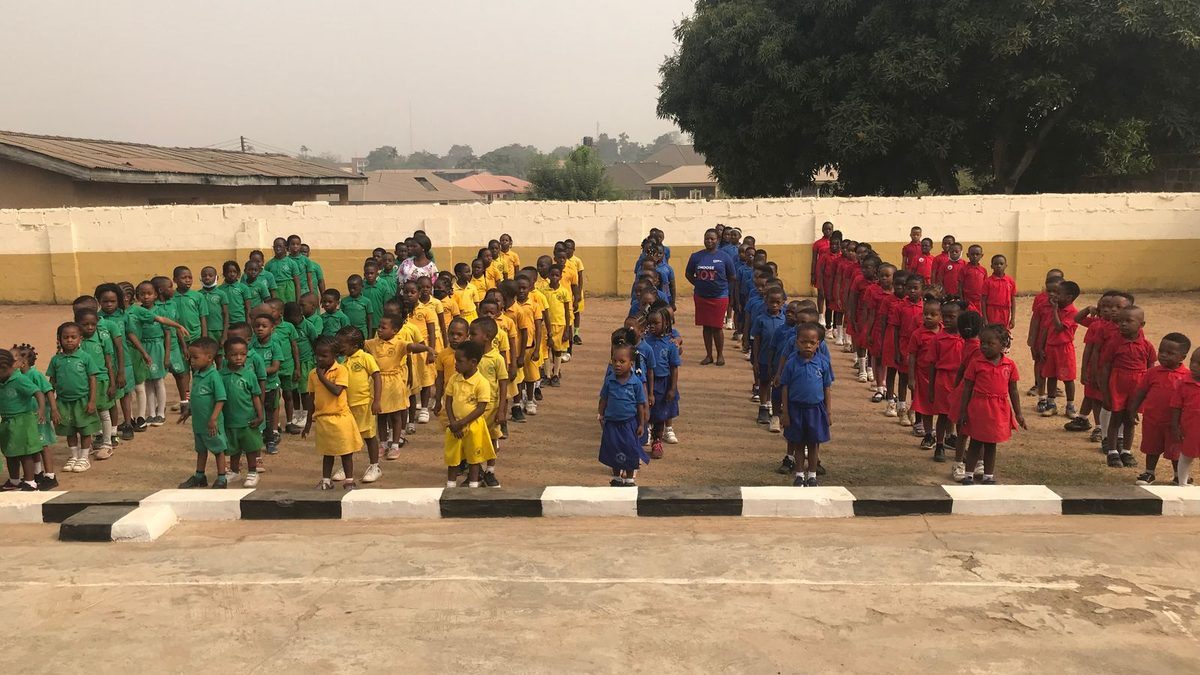
Over 24,000 primary schools are set to receive new CBE textbooks in January 2027, according to Education News.
What has been reported
According to Education News, more than 24,000 primary schools are scheduled to receive new CBE textbooks in January 2027. The announcement was made as part of the ongoing rollout of updated learning materials aligned with the Competency-Based Education (CBE) framework. Schools across the country will be supplied with the revised texts to support the delivery of the new curriculum. The distribution is expected to reach both urban and rural institutions, aiming to ensure equity in access to current content.
Beyond the basic figures, the report does not provide further specifics regarding the exact titles, subject strands, or the logistics of delivery. Education officials have not yet clarified how the new editions will align with the existing sub-strands in Mathematics, Science, or Kiswahili, nor have they announced any training sessions for teachers. Parents and educators are therefore awaiting additional information before the rollout can be fully understood. Stakeholders are encouraged to monitor official channels for updates as the implementation date approaches.
Why the new textbooks matter for families
For Kenyan families, the arrival of fresh CBE textbooks represents a tangible step towards realising the promise of a learner-centred curriculum. Updated texts are designed to reflect the latest competency standards, offering clearer explanations, more relevant examples, and activities that connect classroom learning with everyday life. When children have access to material that mirrors the strands and sub-strands they are expected to master, it can boost confidence and reduce the need for supplementary resources.
Parents can use this momentum to revisit the subjects their children are studying, using free online resources that align with the CBE framework. Websites such as Grade 7 materials or Grade 8 materials provide practice exercises, revision notes and interactive games that reinforce the same strands covered in the new textbooks. Discussing the content together, asking open-ended questions and linking ideas to everyday chores can deepen understanding while a simple weekly log helps track progress before the new books arrive.
Implications for teachers and schools
For teachers, the distribution of new CBE textbooks will likely require adjustments to lesson planning and assessment strategies. The refreshed content is expected to align more closely with the current competency descriptors, meaning that teachers may need to revisit the pacing guide for each strand and sub-strand. While the core objectives remain the same, subtle shifts in examples or activity types could influence how teachers facilitate inquiry-based learning in the classroom.
School leaders are encouraged to organise short professional-development sessions that focus on the most significant updates, allowing teachers to share best practices and clarify any ambiguities. Collaborative planning periods can be used to map the new textbook activities onto existing classroom routines, ensuring a smooth transition. Even if formal training is delayed, peer-to-peer support and the use of online teacher forums can help educators stay ahead of the changes and maintain the quality of instruction.
Keeping your child learning during the transition
While families await the arrival of the new textbooks, there are many ways to keep children engaged with the CBE curriculum using existing resources. Reading comprehension can be strengthened by exploring locally written stories that align with the language strand, and mathematics skills can be practiced through everyday shopping scenarios that involve addition, subtraction and measurement. Science curiosity can be nurtured by simple experiments using household items, linking observations to the sub-strand on scientific inquiry.
Digital platforms also offer structured revision tools that map directly onto the CBE strands. For example, the Grade 9 materials section includes interactive quizzes and printable worksheets that cover key concepts in Kiswahili, Mathematics and Science. Parents can schedule short, focused sessions each week, encouraging children to attempt a set of questions before discussing the answers together. This routine not only reinforces learning but also builds the self-regulation skills emphasized by the competency-based approach.
Practical steps parents can take now
To prepare for the textbook rollout, parents should first audit the learning materials currently available at home. Create an inventory of textbooks, workbooks and any supplementary guides, noting which strands are already well-covered and which may need reinforcement. This simple exercise highlights gaps and informs decisions about borrowing resources from neighbours, libraries or school resource centres. By knowing exactly what is missing, families can target their efforts more efficiently effectively.
Second, set up a regular study timetable that aligns with the term calendar and upcoming holidays. Allocate short blocks of 30-45 minutes for each core subject, using the existing textbooks and the online resources mentioned earlier. Encourage the child to keep a learning journal, recording what was studied, questions that arose and personal reflections. This habit not only supports continuity during the transition period but also cultivates the reflective practice championed by the CBE system.
Holiday Learning Academy: live online classes
Live online classes, 4 lessons a week, 2 hours each. Access to study materials and Somo AI for 7 days. CBC classes are KSh 3,000 a week.
KSh 3,000 a week · Join the Academy → 📱 Pay by M-Pesa · WhatsApp ACADEMY to 0711 344 702Have a CBC question this article didn't answer?
Ask Somo, Kenya's first AI tutor. CBC-grounded, Kenyan examples, instant feedback. Five free questions a day with no signup, or start a 7-day free trial for 30 questions a day.
Try Somo Free →