
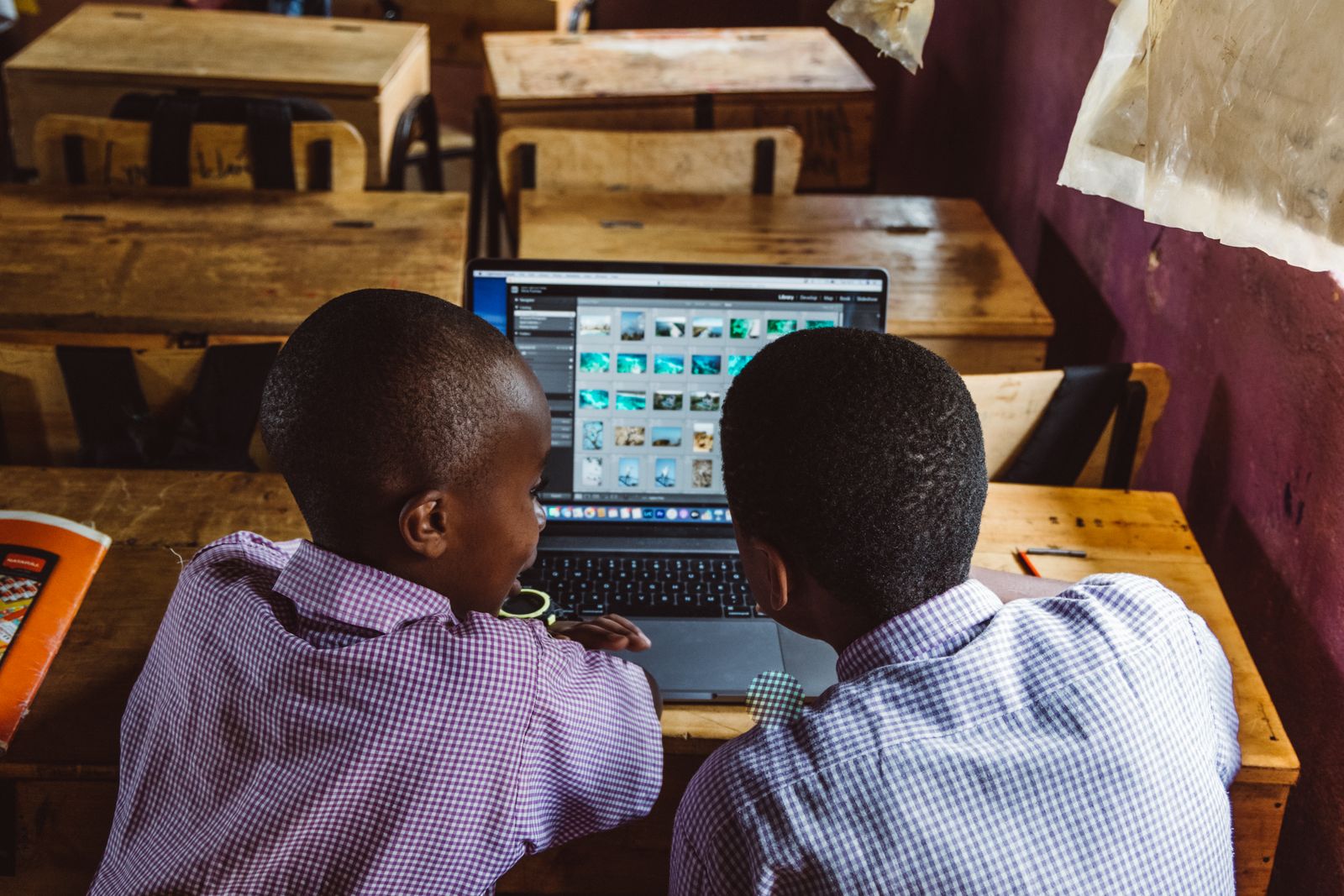
The Ministry of Education has directed every public basic education institution in Kenya, from ECDE centres to senior schools, to submit detailed data on their electricity connectivity through a new online questionnaire titled "Status of Electrification in Public Basic Education Institutions." The directive, reported by Education News on 5 July 2026, tasks County and Sub-county Directors of Education with ensuring schools comply within the stipulated timelines.
What schools must submit
According to the Ministry's instructions, each institution must provide its official name, Ministry of Education registration certificate number and registration date, county, sub-county, constituency and ward, school category, geographical coordinates (latitude and longitude), and its current electrification status. The Ministry says the information "will support planning for electricity connectivity and infrastructure development in learning institutions."
The exercise covers the full spread of public basic education: ECDE centres, primary schools, junior schools, senior schools and secondary schools. Headteachers should expect follow-up from their Sub-county Directors of Education, who have been instructed to ensure every institution completes the questionnaire.
Why this matters for CBE families
On the surface this is an administrative data exercise. Underneath, it is one of the clearer signals yet of where Competency-Based Education (CBE) delivery is heading. Reliable electricity is the precondition for almost everything the curriculum now leans on: the Digital Literacy Programme devices in primary schools, computer laboratories for Pre-Technical Studies and Computer Science, smart classrooms, internet connectivity for the KNEC assessment portals that schools now use for registration and School-Based Assessment uploads, and even basic evening prep lighting in boarding institutions.
A national, geolocated register of which schools have power and which do not gives the Ministry (and development partners) the map they need to sequence connection projects. For parents, the practical takeaway is worth knowing: if your child's school is off-grid or under-powered, this questionnaire is the mechanism through which it gets counted, so it is fair to ask the head teacher whether the school has submitted.
The timing is also tight by design. Term 2 ends on 31 July 2026, and data exercises like this move much faster while heads and deputies are still on station rather than on holiday. The full term structure is in our 2026 Kenya school calendar guide.
The bigger picture: assessment season is digital now
The push to map electrification lands in the middle of the most digitally dependent assessment cycle Kenya has run. Grade 9 candidates are completing KJSEA project work this month (Pre-Technical Studies and Agriculture projects run through July), schools must verify KPSEA and KJSEA School-Based Assessment scores on the KNEC CBA portal by 30 July, and the written KJSEA window opens on 26 October. Every one of those steps assumes a school that can charge a laptop and reach the internet. Our guide to the 30 July SBA verification deadline explains what schools are confirming this month, and the complete KJSEA parent's guide covers the road from here to October.
What heads, teachers and parents should do
- Headteachers: complete the "Status of Electrification in Public Basic Education Institutions" questionnaire promptly, and keep the school's registration certificate number and GPS coordinates to hand before opening the form.
- Teachers: if your school's connectivity limits digital lesson delivery, this is the formal channel through which that gap becomes visible; make sure the submission reflects reality rather than optimism.
- Parents: ask whether the school has submitted, especially if learners depend on the school for device charging or evening study. And remember that revision does not need to wait for infrastructure: printable, KICD-aligned materials for every grade are on the grade hubs, and each of this term's papers comes with its marking scheme.
We will track whether the Ministry publishes the electrification findings or a connection schedule, and report back when the data lands.
KJSEA and KPSEA: 19 days to the first paper
The Grade 9 KJSEA course covers all 9 learning areas for KSH 400. The Grade 6 KPSEA course covers all 5 subjects for KSH 300. Notes, worked examples, topical questions and full marking schemes in both.
⏳ Only 19 days to the national assessments on 26 October. Start now.
KSH 300 or KSH 400 · Get it now → 📱 M-Pesa, sent to your email after payment · join parents preparing nowHave a CBC question this article didn't answer?
Ask Somo, Kenya's first AI tutor. CBC-grounded, Kenyan examples, instant feedback. Five free questions a day with no signup, or start a 7-day free trial for 30 questions a day.
Try Somo Free →