
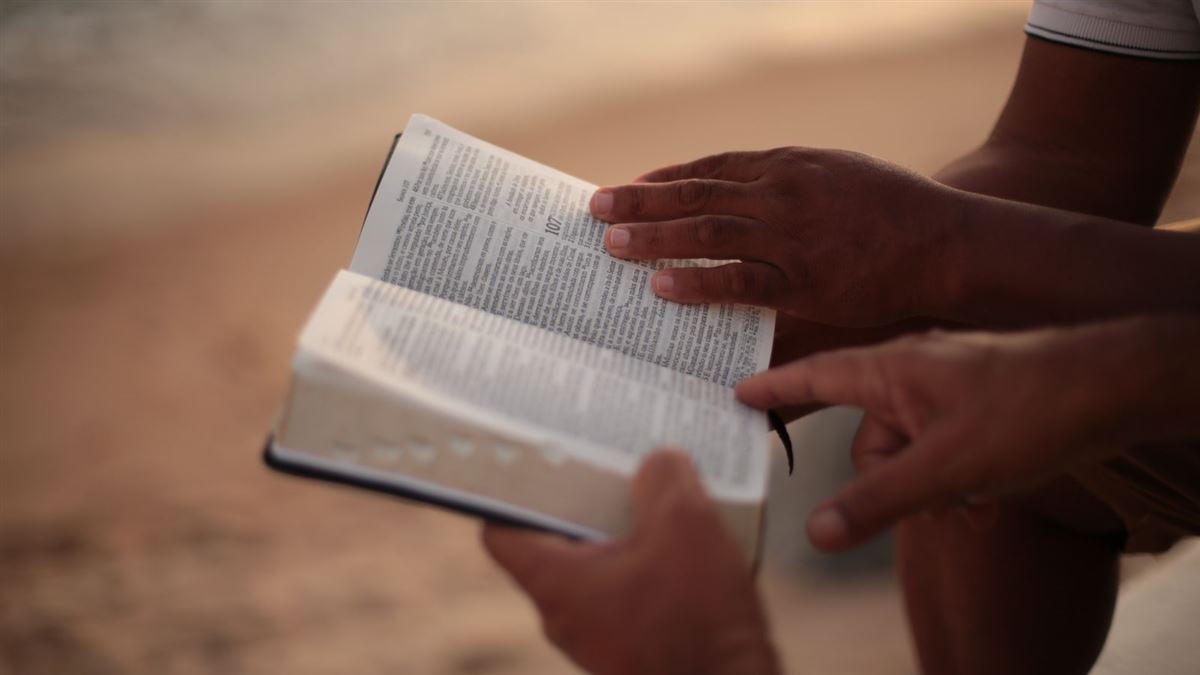
This guide completes our KJSEA subject series. We have already covered the other eight learning areas, and Religious Education is the one parents kept asking for, mostly because it is the learning area families feel least equipped to support at home. Here is the practical picture for CRE, IRE, and HRE ahead of the 2026 assessment.
How Religious Education is assessed in KJSEA
Religious Education is one of the nine KJSEA learning areas, and every learning area carries equal weight. Each is scored out of 8 points, giving a maximum of 72 points overall. In other words, RE counts exactly as much as Mathematics or English in your child's final KJSEA score, which is why it deserves more than a last-minute skim.
The final score blends a written exam worth 60% with school-based assessment (SBA) worth 40%, accumulated across Grades 7, 8, and 9. By Term 3 of Grade 9, most of the SBA marks are already banked. What your child can still influence is the written paper, sat during the national assessment window that opens on 26 October 2026.
Every candidate takes one of three options: Christian Religious Education (CRE), Islamic Religious Education (IRE), or Hindu Religious Education (HRE). The option is registered through the school, so confirm early that your child is entered for the right one.
What the Grade 9 strands cover
Revision should follow the rationalised KICD Grade 9 curriculum design for the relevant option, not a random pile of notes. The designs are free to download from KICD, and the exact strand and sub-strand list should always be confirmed against the current design or with the subject teacher. Broadly speaking:
- CRE is organised around strands such as Creation, the Bible, the life and ministry of Jesus Christ, Christian living and moral values, and the Church. The design is spiral, so Grade 9 deepens ideas first met in Grades 7 and 8 rather than introducing a completely new world.
- IRE typically works through the Qur'an, Hadith, faith and devotional acts, and moral and social teachings. Check the current KICD design for the precise Grade 9 sub-strands.
- HRE covers Hindu scriptures, worship, values, and religious practice. Fewer schools offer it, so ask the subject teacher for the strand list taken directly from the design.
Whatever the option, the revision spine is the same: write out every strand and sub-strand from the design, then honestly tick off what your child can explain and, more importantly, apply.
The mistake that costs the most marks
Retelling. A learner who can narrate the story of Joseph, or the events of the Hijrah, in beautiful detail can still score poorly, because KJSEA questions are competency based. They present a situation and ask the learner to apply values or teachings to it.
Compare the two styles. An old-fashioned question asks a child to describe a story they have learnt. A competency-based question says: a classmate finds a phone in the school compound and wants to keep it; using the teachings you have learnt, explain the advice you would give and why. The marks sit in the application: naming the value (honesty, responsibility, compassion), anchoring it in a specific teaching, and connecting both back to the scenario.
Train for this deliberately. After each sub-strand, set one question that starts from a real situation: money found on the road, a sick neighbour, cheating in an exam, a family in need. If the answer retells a story but never actually advises the person in the scenario, it is not yet assessment ready.
A four-week revision approach for Term 3
Term 3 2026 runs from 24 August to 23 October: nine straight weeks with no half-term break. RE does not need the whole term. A focused four-week block, placed around mid-September to mid-October, fits neatly alongside the heavier learning areas.
- Week 1: map and diagnose. List all strands and sub-strands from the design. Mark each one green (can teach it to someone else), yellow (roughly remembers), or red (blank). Reds get revised first.
- Week 2: application drills. For every yellow and red sub-strand, one scenario question per day, answered in full sentences, then compared with the notes.
- Week 3: past and mock questions under time. Full RE papers or sections of them, timed, then marked against a marking scheme so your child sees exactly how application earns marks.
- Week 4: consolidate. Return only to what is still weak, plus a short daily review of key teachings, references, and values so recall stays fresh into the window.
How parents can help without deep subject knowledge
You do not need to know the design to be useful. Four habits work in any home:
- Ask to be taught. "Explain to me what you learnt about stewardship" is a genuine revision technique. If your child can teach it, they know it.
- Run scenarios at supper. Everyday dilemmas (a conductor gives too much change, a friend spreads a rumour) are exactly the kind of situations the paper uses. Ask which value applies and why.
- Hold the checklist. You can track green, yellow, and red on the strand list without understanding a single sub-strand yourself.
- Protect consistency. Twenty minutes daily beats a three-hour panic. In a nine-week term with no break, steady and calm wins.
For the full picture of how all nine learning areas fit together, start with our complete KJSEA Grade 9 parents' guide. For revision papers, notes, and marking schemes across the learning areas, browse our Grade 9 materials, or pick one of the grade bundles so RE gets revised alongside everything else, not instead of it.
Grade 9 KJSEA Complete Revision Course
All 9 learning areas in one download: notes, worked examples, topical questions and full marking schemes. Rebuilt for the 26 to 30 October assessment.
⏳ Only 32 days to the national assessments on 26 October. Start now.
KSH 400 · Get it now → 📱 M-Pesa, instant download · join parents preparing nowHave a CBC question this article didn't answer?
Ask Somo, Kenya's first AI tutor. CBC-grounded, Kenyan examples, instant feedback. Five free questions a day with no signup, or start a 7-day free trial for 30 questions a day.
Try Somo Free →