
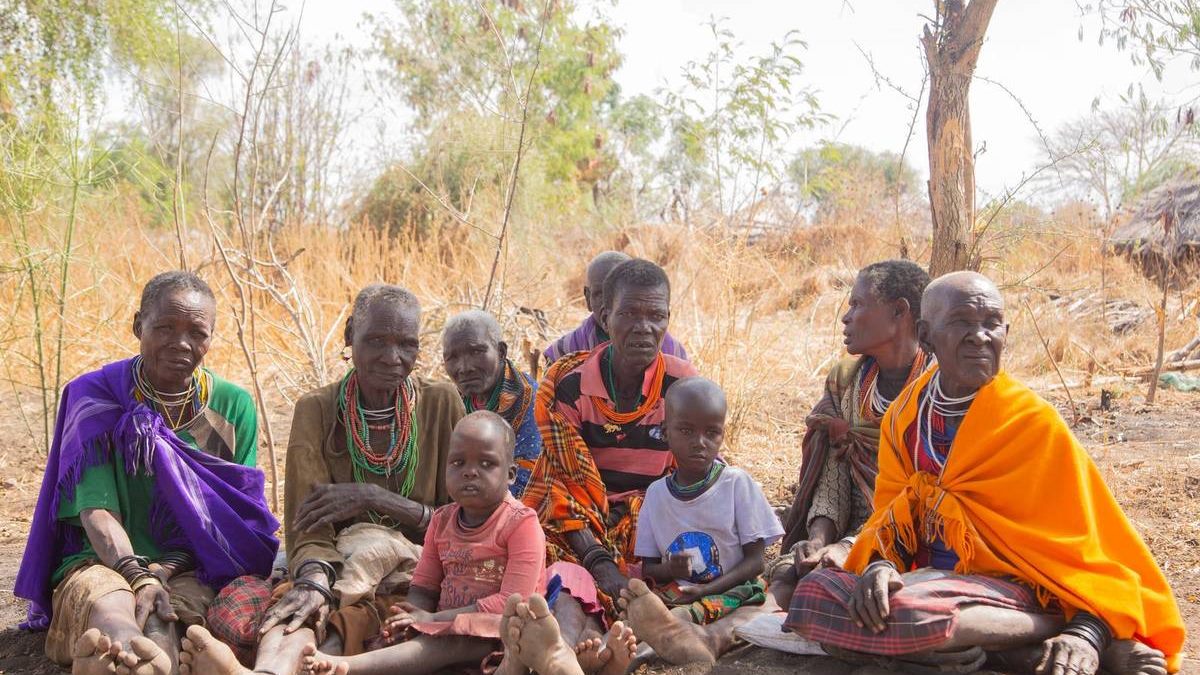
According to The Mt Kenya Times, Bikeke school leads the way on competency-based learning. Further detail has not yet been confirmed.
What the report says
According to The Mt Kenya Times, Bikeke school leads the way on competency-based learning. The brief notice highlights the school’s role in advancing the new CBE approach, which focuses on mastery of strands and sub-strands rather than rote memorisation. It signals that at least one institution is actively aligning its curriculum delivery with the national competency framework, using assessment tools that measure learners’ ability to apply knowledge in real-world contexts and demonstrate progress over time.
The report does not provide further specifics about the strategies employed, the subjects involved, or the outcomes observed at Bikeke school. As of now, educators and parents are awaiting additional information that could clarify how the school is implementing the competency-based model and what lessons might be shared with other institutions. Such details could help other schools benchmark their own progress and adopt proven practices that enhance learner engagement across all strands.
Why this matters for Kenyan families
For parents, hearing that a school is pioneering competency-based learning offers a tangible example of how the new curriculum can be brought to life in the classroom. When schools focus on mastery of strands such as Communication, Critical Thinking, and Digital Literacy, children are encouraged to develop skills that are directly relevant to everyday challenges and future employment. This shift away from memorisation can boost confidence, foster curiosity, and create a more supportive home environment for learning.
When a school demonstrates progress, parents can ask about the specific activities their children are undertaking at home to reinforce the same strands. Simple discussions about a child’s recent project, role-play of real-life scenarios, or collaborative problem-solving sessions can mirror classroom expectations. By aligning household conversations with the competency framework, families can ensure that learning does not stop at the school gate, and children receive consistent reinforcement across all sub-strands.
Implications for teachers and schools
For teachers, the mention of Bikeke school leading the way suggests that peer learning and school-to-school collaboration could become a valuable source of professional development. Observing how one institution designs lesson plans that integrate multiple strands, such as combining Science inquiry with Communication skills, can inspire colleagues to experiment with interdisciplinary approaches. This can also inform school leaders when allocating resources for training, classroom materials, and assessment tools that capture competency outcomes.
Schools that adopt such practices may also see a shift in how they record progress. Instead of traditional term-end exams alone, they might employ continuous assessment rubrics that map each learner’s achievement against the relevant sub-strands. This data-driven approach enables teachers to identify gaps early and provide targeted interventions, ensuring that no child falls behind as the curriculum moves forward. It also encourages a culture of reflection among staff, where lesson effectiveness is regularly reviewed and adjusted to meet the evolving needs of learners.
How to keep your child learning regardless of school updates
Even if you are unsure how Bikeke school is implementing the new model, you can still support your child’s competency development at home. Identify the key strands for your child’s current grade, such as Mathematics Reasoning, Environmental Awareness, or Creative Arts, and look for everyday activities that reinforce those skills. For example, cooking together can strengthen measurement and problem-solving, while a family walk can spark discussions about local ecosystems, aligning with the Environmental Awareness sub-strand.
Online resources on CBEDU Kenya can also fill gaps when classroom time is limited. Visit the Grade 8 materials page for printable worksheets that target specific sub-strands, or explore the Somo AI tool for interactive practice in language and numeracy. By integrating these free materials into a regular study schedule, parents can ensure consistent exposure to the competencies required for each term, keeping progress steady even during school holidays and reinforcing concepts learned in class.
Practical steps parents can take now
Start by creating a simple learning plan that aligns with the competency framework for your child’s grade. List the main strands and sub-strands, then note one activity per week that targets each area, whether it is a science experiment, a reading journal, or a community service project. Keep a brief record of what was done and any observations, so you can discuss progress with the teacher during parent-teacher meetings to ensure continuous improvement.
Second, set aside a regular study time each day, even if it is just fifteen minutes, and use it for focused practice on a chosen sub-strand. Resources such as the Grade 9 materials or the Grade 9 exams section can provide practice questions that mirror classroom assessments. Consistency, rather than length, is key to building mastery and confidence in the new CBE system. It also helps children develop a routine that supports self-discipline and time-management skills essential for lifelong learning.
KJSEA and KPSEA: 17 days to the first paper
The Grade 9 KJSEA course covers all 9 learning areas for KSH 400. The Grade 6 KPSEA course covers all 5 subjects for KSH 300. Notes, worked examples, topical questions and full marking schemes in both.
⏳ Only 17 days to the national assessments on 26 October. Start now.
KSH 300 or KSH 400 · Get it now → 📱 M-Pesa, sent to your email after payment · join parents preparing nowHave a CBC question this article didn't answer?
Ask Somo, Kenya's first AI tutor. CBC-grounded, Kenyan examples, instant feedback. Five free questions a day with no signup, or start a 7-day free trial for 30 questions a day.
Try Somo Free →