
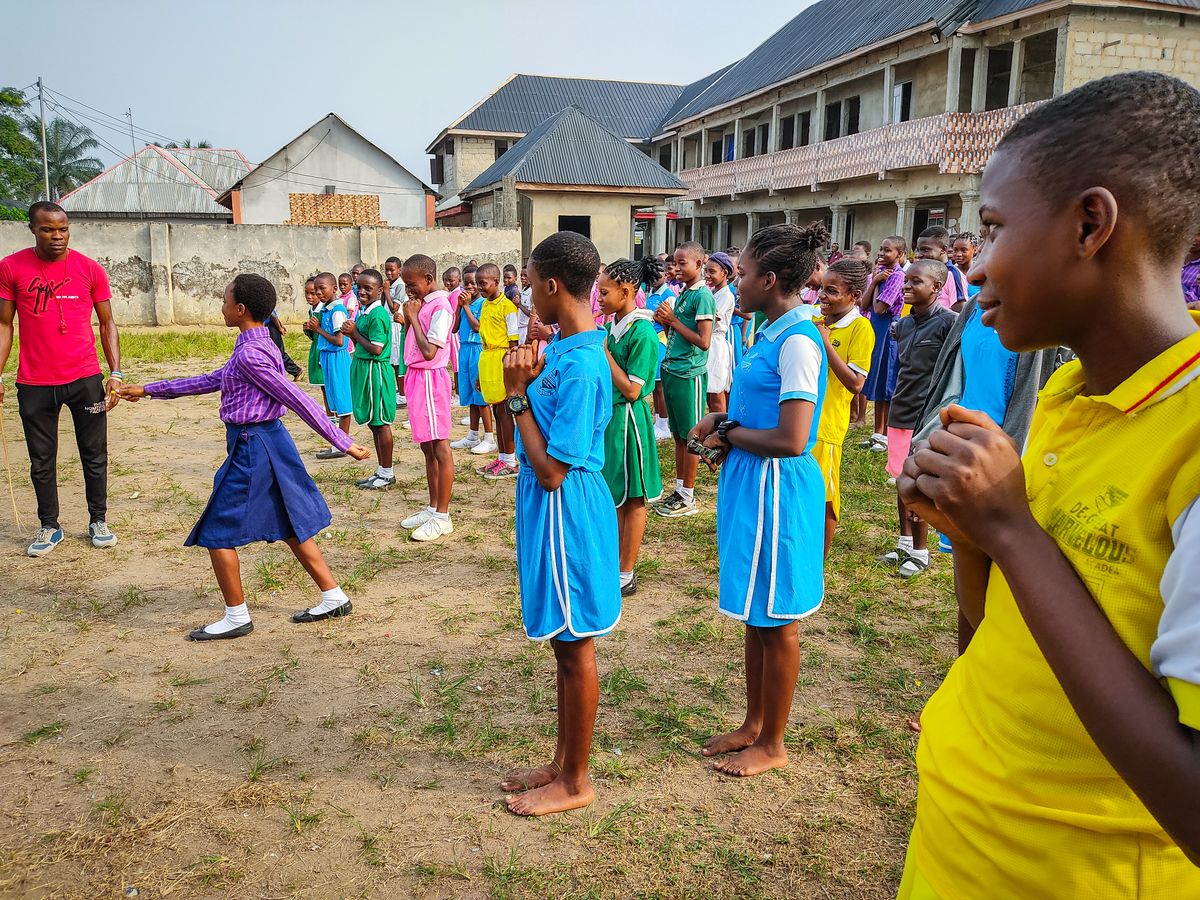
Education News reports that educational trips must go beyond recreation to advance CBE and learner safety.
What has been reported
According to Education News, the latest guidance stresses that educational trips should move beyond simple recreation, aiming to further the goals of the Competency-Based Education (CBE) system while also enhancing learner safety. The statement calls on schools and parents to review how outings are designed, ensuring they link directly to curriculum strands and include risk-assessment measures. It also reminds stakeholders that any trip must align with the learner outcomes set out in the CBE framework.
At this stage the publication does not provide further specifics such as which grade levels, destinations or safety protocols are being targeted. Parents and teachers are therefore advised to await additional guidance from the Ministry of Education before making concrete plans. In the meantime, schools are encouraged to keep communication channels open with families, sharing any provisional ideas and inviting feedback on how trips could support the relevant sub-strands. Such dialogue helps ensure that expectations are realistic and that safety considerations are jointly addressed.
Why it matters for Kenyan families
For Kenyan families, the push to make school trips more purposeful aligns with the broader aim of the CBE curriculum to develop holistic competencies. When an outing is tied to a specific strand, such as Life Skills, Environmental Studies or Social Studies, children can see the direct relevance of classroom theory to real-world contexts, reinforcing concepts like sustainable agriculture, community health or civic participation. These connections deepen understanding and motivate learners to retain information beyond the exam period.
Safety is another pillar that families cannot overlook, especially when trips involve travel to rural areas or field sites with limited supervision. By embedding risk-assessment procedures into the planning stage, parents gain confidence that schools are prepared for emergencies, have clear evacuation routes, and have communicated health protocols such as first-aid kits and hydration plans. This proactive stance not only protects children but also demonstrates a commitment to the learner-centred ethos of CBE.
Implications for teachers and schools
Teachers will need to revisit their unit plans to identify which CBE sub-strands can be enriched through an outdoor experience. For example, a Grade 8 Geography lesson on climate zones can be extended with a field visit to a local watershed, allowing learners to collect data that feeds directly into the assessment rubric. This approach encourages collaborative lesson design, where educators work with school administrators to allocate budget, obtain parental consent and schedule risk-management briefings.
From a safety perspective, schools will be expected to produce written risk-assessment forms, emergency contact sheets and clear supervision ratios for each trip. Professional development sessions on child protection and first-aid can be scheduled during term breaks, ensuring that teachers are equipped to handle minor injuries or unexpected weather changes. By embedding these safeguards into the trip-planning cycle, schools demonstrate compliance with national guidelines while reinforcing the CBE principle that learning environments must be safe and supportive.
Keeping your child learning regardless of trips
Even if a school outing is postponed, parents can still bring the learning experience home. Simple projects such as a backyard biodiversity journal, a water-testing kit for the local tap, or a community-mapping exercise align with the same CBE strands targeted by formal trips. These activities encourage observation, data collection and reflection, which are core competencies across all grade levels. Parents can document findings in a notebook and discuss them during weekly family learning sessions, reinforcing the habit of critical thinking.
CBCEduKenya offers free downloadable worksheets and activity guides that match the current term’s CBE objectives. For instance, the Grade 7 resource pack includes a ‘local ecosystem’ worksheet that can be completed during a walk around the neighbourhood. Similarly, the Grade 9 science module provides step-by-step instructions for simple experiments using household items, ensuring continuity of learning even outside the classroom. Teachers can also share these resources on school WhatsApp groups, allowing parents to access them anytime and keep the momentum of inquiry alive.
Practical steps parents can take now
Parents eager to support the new direction can begin by requesting a copy of their school’s trip-policy and risk-assessment template. Understanding the checklist of safety measures, such as first-aid provisions, transport vetting and child-to-adult ratios, helps families ask informed questions at parent-teacher meetings. At the same time, parents can organise short, supervised neighbourhood walks that focus on identifying plant species or measuring temperature, thereby modelling the kind of purposeful exploration schools aim to provide.
Finally, keep an eye on official communications from the Ministry of Education and the school’s website for any updated trip guidelines. Signing up for newsletters from CBCEduKenya ensures that you receive new worksheets, video tutorials and safety checklists as they are released. By staying informed and actively participating in trip planning, parents reinforce the CBE vision of learning that is both meaningful and secure for every child. It also builds a collaborative culture where schools and families share responsibility for nurturing competent, confident learners.
KJSEA and KPSEA: 2 days to the first paper
The Grade 9 KJSEA course covers all 9 learning areas for KSH 400. The Grade 6 KPSEA course covers all 5 subjects for KSH 300. Notes, worked examples, topical questions and full marking schemes in both.
⏳ Only 2 days to the national assessments on 26 October. Start now.
KSH 300 or KSH 400 · Get it now → 📱 M-Pesa, sent to your email after payment · join parents preparing nowHave a CBC question this article didn't answer?
Ask Somo, Kenya's first AI tutor. CBC-grounded, Kenyan examples, instant feedback. Five free questions a day with no signup, or start a 7-day free trial for 30 questions a day.
Try Somo Free →